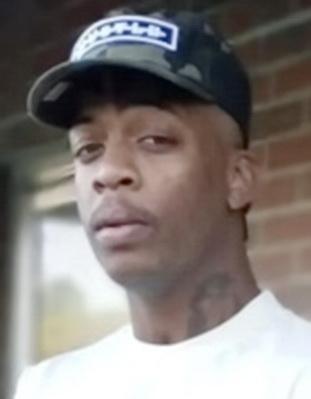
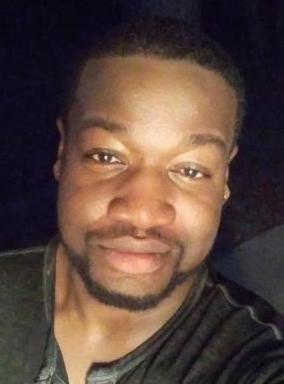
Rufus Mabry Jr., a 30-year-old Black male from Columbus, Georgia, was shot to death in the early hours of June 2, 2018, in the parking lot of the old MLK Grocery property on Martin Luther King Jr. Boulevard. Just before 2:30 that morning, Columbus police were called to the scene and found him suffering from multiple gunshot wounds. He was rushed to Piedmont Columbus Regional, but the injuries were too severe, and he was pronounced dead a short time later.
The killing unfolded in a place local reporting described as a late-night gathering spot after the grocery had closed, with a nightclub operating nearby and crowds often lingering in the lot after dark. In that setting, amid the noise and movement of a weekend night, Mabry’s life ended in a burst of gunfire that left another Columbus family grieving and the city with yet another homicide to solve.
What is clear from the public reporting that remains accessible is the violence of the attack and the starkness of the aftermath. Mabry was not found in a private home or on some isolated roadside, but in a public parking lot that had become familiar terrain for people gathering late into the night. By sunrise, the scene had already taken on the shape common to so many unsolved shootings: flashing lights gone, shell casings logged, witnesses left to sort through fragments of what they saw or heard, and a victim reduced in the news to a few brutal facts — his name, his age, the hour he was found, and the hospital where he died. His death notice later appeared in the Columbus Ledger-Enquirer, a small formal marker of a life cut short after the violence of that June night.
As for suspects, arrests, charges, trials, or convictions, the reliable public sources I was able to verify do not show a clearly documented prosecution in connection with Mabry’s killing. A secondary online case page claims that a man named Joseph Taylor was charged nearly a year later, but that claim was not corroborated in the accessible local news coverage, official police case page, or other dependable reporting I found. Because of that, the safest account is that Mabry’s death is publicly documented as a homicide, but the online record I could verify does not establish a confirmed arrest, trial, or conviction tied to his case. In the end, the story that remains online is less a tale of resolution than one of sudden loss: Rufus Mabry Jr. arriving at the edge of morning in Columbus, gunfire tearing through a crowded night, and the trail afterward fading into uncertainty rather than closure.