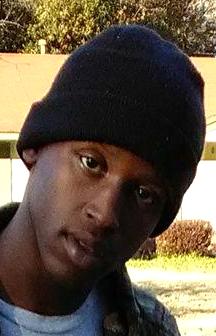
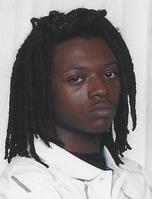
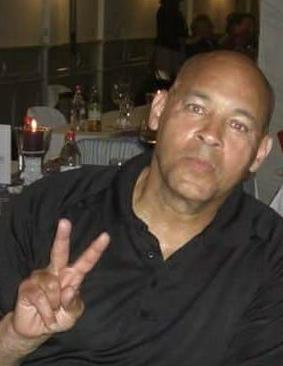
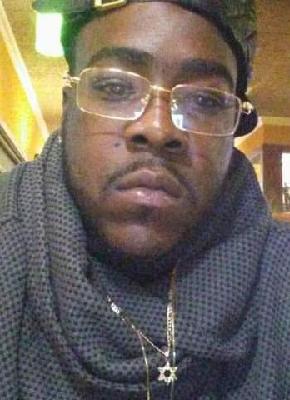
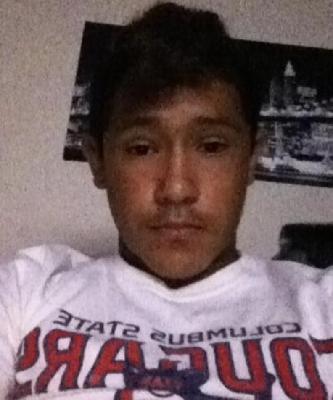
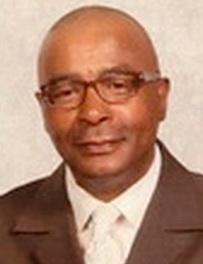
Christopher O. “PA” Twitty, a 23-year-old Black man from Columbus, Georgia, died on November 21, 2015. Publicly available notices from the time place his death in Columbus that Saturday, and later court records would add a grim layer to the story, stating that he was shot and killed at his house in November 2015. What survives in the public record is only a partial outline, but it is enough to show how his death echoed beyond that night and into another deadly chapter months later.
In the sparse public trail left behind, Twitty appears first as a young man mourned in obituary notices and memorial listings, known by the nickname “PA,” with funeral services held the following week. Those notices do not describe the circumstances of the killing, but a later Georgia Supreme Court opinion does. In that opinion, written during the appeal of an entirely separate murder case, the court said Twitty had been in a relationship with Tekoa Young and that he was killed at his home in Columbus. The opinion also said Young believed Anthony Meredith was responsible because Meredith had been involved in a drug-related dispute with Twitty before the shooting. That detail is important, but it remains an allegation described as Young’s belief in the court record, not a finding that Meredith had been arrested, charged, or convicted in Twitty’s death.
According to the same court record, Twitty’s death cast a long shadow. After he was killed, Young allegedly told Meredith’s girlfriend that she would not be the only one crying. Four months later, on March 26, 2016, Meredith was shot to death at Peachtree Mall in Columbus. Prosecutors later charged Xzavaien Jones, Terrell McFarland, and Tekoa Young in Meredith’s killing, presenting it as a retaliatory act that grew out of the dispute and suspicion surrounding Twitty’s murder. In 2017, all three were convicted in that case, but in 2022 the Georgia Supreme Court reversed the convictions of Jones and McFarland because of an improper juror removal during deliberations. That reversal did not exonerate them; it meant the convictions could not stand as entered.
As for Twitty’s own death, the online public record is notably thin. I did not find a reliable public source showing that anyone was arrested, formally charged, tried, or convicted specifically for killing Christopher Twitty. What the available sources do show is a young man’s death on November 21, 2015, a belief among people close to him that the killing grew out of a drug dispute, and a chain of retaliation that later erupted into another homicide and a complicated prosecution. In that sense, Twitty’s story feels unfinished in the public record: a life cut short, a case that appears to have fed more violence, and an official paper trail that says more about what followed than about who, if anyone, was ever brought to justice for his own killing.