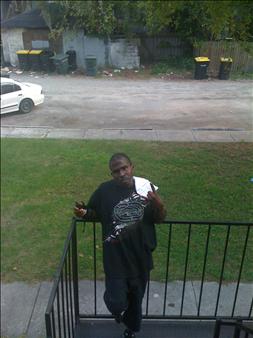
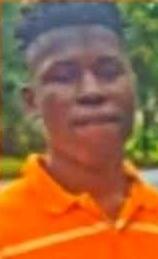
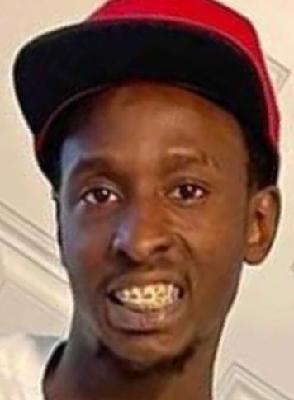
Shyree Smalls was a 17-year-old Black male from Savannah, Georgia, whose life ended after a shooting on East 37th Street in late October 2018. According to Savannah police, officers were called at about 10:30 that morning to the 1100 block of E. 37th Street for an injured person and found Smalls suffering from serious injuries. He was taken to a local hospital, where authorities later determined he had been shot, and he ultimately died from those wounds.
Online records are not perfectly consistent about the exact date of death, with some listing October 27, 2018, and others listing October 28, 2018, but all agree the shooting happened that weekend in Savannah and that his death grew out of that gun violence. Police said early on that they did not believe it was a random shooting, a detail that gave the case an ominous shape from the start, suggesting that whatever happened on that block had a history behind it, even if much of that history never became public.
For months, the case hung in that uncertain space between grief and accusation. Then, about five months after the shooting, investigators announced that they had charged James “Ju Ju” Johnson Jr., 19, in connection with Smalls’s death. Reporting from Savannah television outlets and the police department said Johnson was booked into the Chatham County Detention Center on March 24, 2019. Authorities identified him as the alleged shooter and said a grand jury indicted him on charges tied to the case, including involuntary manslaughter, false statements, and reckless conduct. One report said he faced two counts of involuntary manslaughter, while later police and television updates described the indictment as three charges total: involuntary manslaughter, false statements, and reckless conduct. Those public reports paint a picture of a case investigators believed they had solved well enough to put before a grand jury, but not one they framed as a straightforward murder prosecution.
What followed seems to fade from the public record rather than culminate in a clearly reported courtroom ending. The online sources located here say Johnson was later released on bond, but they do not clearly document a trial, conviction, or final disposition in the case. So the public story that remains is one of a Savannah teenager shot on a neighborhood street, a police statement that the attack was not random, and an arrest that arrived months later but did not, at least in the readily available online reporting, produce a widely documented final chapter. That leaves Smalls’s death suspended in the way many local homicide cases are remembered: first as a burst of violence, then as an arrest announcement, and finally as a quieter absence in the public record, even though the loss itself never became any less permanent.