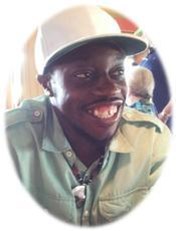
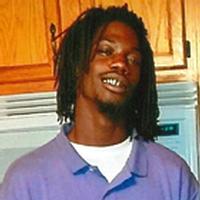
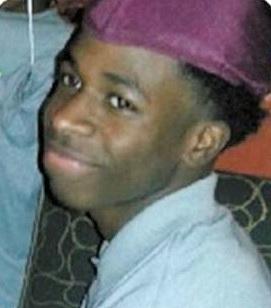
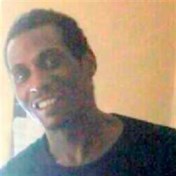
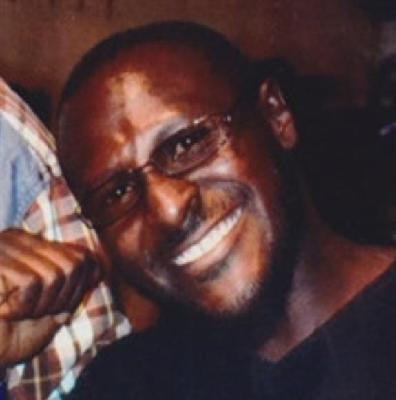
Ricky Goldwire, a 49-year-old Black man from Savannah, died on September 23, 2009, after a shooting that unfolded in the city’s Ardsley Park area near 48th Street and Abercorn Street. What emerges from the available online record is the outline of a life rooted in Savannah and cut short in a burst of violence. His obituary described him as a Savannah native who attended Chatham County public schools, worked as a self-employed contractor, and was active at First Bryan Baptist Church, where he served in the laymen’s organization and sang in the mass choir. He was later laid to rest at Woodville Cemetery.
The shooting itself appears to have happened on a Wednesday afternoon, ending with Goldwire’s death at Candler Hospital later that day. Contemporary online reporting that remains publicly searchable says police identified the case as a homicide and tied it to an argument before the gunfire. The fragments that survive online do not paint a full scene with witness detail or a complete timeline, but they do show how quickly the case moved from a neighborhood shooting to a named suspect investigation.
As for suspects, the clearest publicly available report located online names Willie Goldwire as the suspect in Ricky Goldwire’s shooting. That report says the shooting followed an argument between the two men. Beyond that identification, the online trail becomes thin. In the sources reviewed, no later publicly accessible report was found confirming an arrest, formal charges, a trial, or a conviction tied to Ricky Goldwire’s death. In other words, the suspect’s name appears in coverage of the immediate aftermath, but the broader public record available online does not clearly show the case reaching a documented courtroom ending.
That leaves Ricky Goldwire’s story suspended between the personal and the unresolved. Online memorial and obituary records preserve the man his family and church community knew, while the surviving news references preserve only the hard facts of a fatal afternoon in Savannah and the name of the man police said they were seeking in connection with it. The result is a case that still reads like an interrupted chapter: a local man with deep community ties, a confrontation near a familiar Savannah intersection, and a public record that grows faint before it ever fully explains how the case ended.