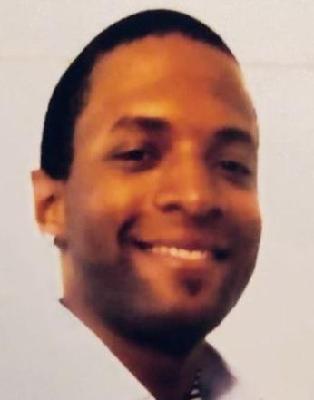
Nathaniel Gray, a 26-year-old Black male, was killed in Gainesville, Georgia, on January 19, 2019, in a shooting at a home on Desota Street. The first reports painted a scene of sudden violence in the middle of an ordinary day. Police were called to the residence around late afternoon or early evening, and when officers arrived, they found Gray dead at the scene. Neighbors described the heavy police presence that followed, with patrol cars, officers moving through the area, and residents being told to stay back as the investigation unfolded.
In the earliest hours of the case, authorities had not publicly settled even the basic contours of what had happened. Television and newspaper reports said police were still trying to determine whether Gray lived at the home or had been there as a guest. By the next reporting cycle, Gainesville police identified him by name and said he reportedly lived at the Desota Street residence. His death was being investigated as a homicide, and the neighborhood was left with the uneasy aftermath that follows a killing at a home, where the ordinary familiarity of an address suddenly becomes part of a crime scene.
The question of suspects remained murky in those first accounts. One report said at least two persons of interest had been detained, and police told the public there was no immediate reason for alarm. But those same early reports also made clear that no one had yet been publicly announced as formally arrested and charged in connection with Gray’s death. Other coverage from the same period said police had not released details about a shooter or a motive, underscoring how little was publicly known while investigators worked to piece together what happened on Desota Street.
What emerged in the available public coverage was less a clean resolution than a case frozen in the uncertainty of its opening days. The reporting identified Gray, fixed the place and date of the killing, and confirmed that investigators were treating it as a homicide. But in the publicly available sources reviewed, there was no clearly documented follow-up naming a suspect in mainstream local reporting, and no verified public account of an arrest, trial, or conviction tied to his killing. That leaves the story of Nathaniel Gray’s death marked not only by the violence of that January evening, but also by the lingering absence of a publicly detailed ending.