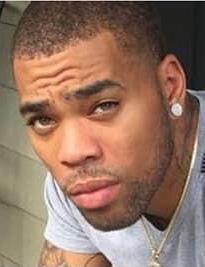
Keon Latuan Yarber, a 31-year-old Black man from Atlanta, was shot in the early hours of July 4, 2021, in the city’s historic Sweet Auburn area. Police found him just after 1:15 a.m. on William H. Borders Drive with multiple gunshot wounds, and later reporting said he had been shot multiple times in the back. He was rushed to a hospital, but he did not survive.
In the first public accounts, the killing stood as one more act of violence in a brutal holiday weekend that left Atlanta reeling, with investigators still trying to piece together what had happened in those dark moments before dawn.
At first, there seemed to be more questions than answers. News reports from the time said a reward of $10,000 was being offered for information leading to the arrest and indictment of the person responsible, a sign that detectives were searching for leads and that the case had not immediately broken open. One Atlanta Journal-Constitution homicide listing later summarized the case in stark terms: Yarber had been found shot at 24 William H. Borders Drive and, at that point in the public record, no arrests had been made. The silence around motive only deepened the sense of uncertainty. Authorities did not publicly explain what sparked the gunfire, what relationship—if any—existed between Yarber and the shooter, or what chain of events placed him in the path of deadly violence that night.
Months later, the case shifted. In March 2022, Atlanta police announced the arrest of Durricor Jaquan Humphrey, a 40-year-old Atlanta man, in connection with Yarber’s death. According to the reporting, detectives had established probable cause, secured a warrant in February, and then tracked Humphrey down with help from the department’s fugitive unit. After being questioned by homicide detectives, he was booked into the Fulton County jail and was reported to be held without bond. Public reporting and the Gun Violence Archive identified Humphrey as the arrested suspect and said he faced a murder charge in the case.
Even with that arrest, the public picture remained incomplete. The reports that announced the charge did not lay out the evidence in detail, did not explain what triggered the shooting, and did not describe how Humphrey and Yarber came into contact that morning. What emerges from the available coverage is the outline of a life ending suddenly in a burst of gunfire, followed by a long stretch of uncertainty before detectives named a suspect. In the public sources reviewed here, the clearest legal development is Humphrey’s arrest and murder charge; those sources do not provide a later trial result or conviction.