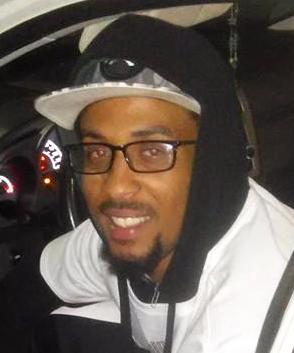
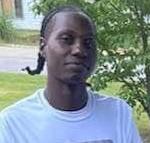
Corey Lamar Jones, a 31-year-old African American man, was tragically shot and killed on October 18, 2015, in Palm Beach Gardens, Florida. Jones, a musician and housing inspector, was waiting for a tow truck by his disabled vehicle on a highway exit ramp when he was approached by Nouman K. Raja, a plainclothes police officer in an unmarked van. Raja, who was conducting an undercover surveillance operation, did not identify himself as a police officer.
Within seconds of the encounter, Raja fired six shots at Jones, hitting him three times. Jones had a licensed handgun, which he had purchased days earlier to protect his expensive drum set, but there was no evidence that he had threatened Raja with it.
The aftermath of the shooting revealed significant misconduct on Raja's part. He falsely claimed to investigators that he had identified himself as a police officer and that he shot Jones in self-defense. However, an audio recording of Jones' call to roadside assistance captured the entire incident, disproving Raja's assertions. The recording showed that Raja had acted aggressively and had not identified himself, leading Jones to likely believe he was being carjacked or attacked.
The case led to significant legal proceedings. On June 1, 2016, Raja was charged with manslaughter by culpable negligence and attempted first-degree murder with a firearm. The trial, which began in March 2019, resulted in Raja being convicted of both charges. The jury found that Raja's actions were not only negligent but also demonstrated a conscious effort to kill Jones as he fled. On April 25, 2019, Raja was sentenced to 25 years in prison, marking a rare conviction of a police officer for an on-duty shooting.
The killing of Corey Jones and the subsequent trial of Nouman Raja drew widespread attention and highlighted issues of police misconduct and the use of force. Jones' family and supporters saw the conviction as a measure of justice, though it could not bring back the life of a beloved son, brother, and community member. The case remains a significant example of the challenges and complexities involved in holding law enforcement accountable for their actions.