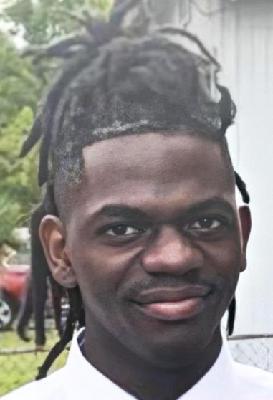
Melvin Gene Wright, a 62-year-old African American male, tragically lost his life on January 30, 2016, in Jacksonville, Florida. Wright, who worked as a cab driver, was the victim of a fatal shooting during an attempted robbery. On that fateful day, he was lured to a location by a group of teenagers who had planned to rob him, believing he would have a significant amount of cash. Unfortunately, Wright was shot with a sawed-off .22 caliber rifle when he tried to escape the robbery attempt.
The bullet pierced his chest, causing severe internal injuries that led to his death as he bled out in his cab.
The investigation into Melvin Gene Wright's death led to the arrest of several suspects, all of whom were teenagers at the time of the crime. Deron Montrell Brown, 19, was identified as the shooter and was found guilty of first-degree murder, attempted armed robbery, and conspiracy to commit armed robbery. Brown, along with three other teens, had orchestrated the robbery, hoping to gain a substantial amount of money. However, they only found $74 in Wright's possession. The trial revealed that Brown had declined a plea deal that could have limited his prison time to 25 years, opting instead to face trial, where he was ultimately convicted.
In addition to Brown, other teenagers involved in the crime faced legal consequences. Tionne Rashad Williams, who was 14 at the time, and Tavione Maurice Williams, 18, both pleaded guilty to murder charges and agreed to testify against Brown. Their sentences included time in a high-risk residential program within the Department of Juvenile Justice, followed by a maximum of 25 years in state prison. The case highlighted the tragic consequences of youth involvement in violent crime and the devastating impact on the victim's family and community.
The legal proceedings surrounding the murder of Melvin Gene Wright were marked by emotional testimonies and the pursuit of justice by his family. Wright's sister, Hervenia Faison, expressed gratitude to the State Attorney's Office for their dedication to the case. The trials and convictions of the involved teenagers brought some measure of closure to Wright's loved ones, who had endured the painful loss of a family member who was simply trying to make a living. The case serves as a somber reminder of the senseless violence that can arise from misguided actions and the enduring impact on those left behind.