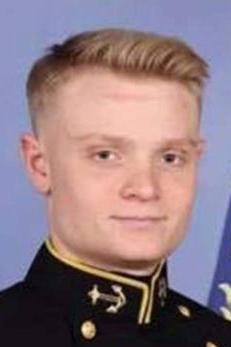
Joshua Kaleb Watson, a 23-year-old Ensign in the United States Navy, tragically lost his life on December 6, 2019, during a shooting at Naval Air Station Pensacola in Florida. Watson, originally from Gadsden, Alabama, had recently graduated from the United States Naval Academy in May 2019 with a degree in Mechanical Engineering. He was stationed at NAS Pensacola for flight training, having reported there just a few weeks prior to the incident.
Watson was known for his leadership qualities, having served as the captain of the Naval Academy's rifle team, and was deeply committed to his military career and aspirations of becoming a Navy pilot.
On the morning of December 6, 2019, a Saudi national, who was a student naval flight officer at the base, opened fire in a classroom, killing three U.S. Navy personnel, including Watson, and injuring eight others. Watson was shot five times but managed to exit the building and provide crucial information to first responders about the shooter's location, actions that were credited with saving many lives. Despite his severe injuries, Watson's bravery and quick thinking were instrumental in the immediate response to the attack. He was transported to Baptist Hospital, where he later succumbed to his wounds.
The shooter, identified as a 21-year-old Second Lieutenant in the Royal Saudi Air Force, was killed by responding law enforcement officers. The incident was investigated as an act of terrorism, given the shooter's background and the nature of the attack. The FBI led the investigation, which revealed that the shooter had been in the United States for training since 2017 and had legally purchased the firearm used in the attack. The investigation also uncovered that the shooter had posted anti-American and extremist content on social media prior to the attack, further solidifying the motive behind the shooting.
In the aftermath of the shooting, there were significant diplomatic and security repercussions. The U.S. government reviewed and tightened the vetting process for foreign military trainees. Additionally, the incident prompted discussions about the presence of foreign military personnel on U.S. bases and the security measures in place to prevent such attacks. Watson's family and community mourned his loss, remembering him as a hero who selflessly gave his life in service to his country. His actions on that tragic day were posthumously recognized with the Navy and Marine Corps Medal and the Purple Heart, honoring his bravery and sacrifice.