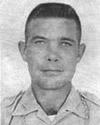
Branch Martin Miller, a 68-year-old officer with the California Department of Corrections and Rehabilitation, tragically lost his life on August 20, 1925, in San Quentin, California. The incident occurred during an escape attempt by six inmates who were working in the wharf area of San Quentin Prison. These inmates overpowered Officer Miller and took him hostage, forcing him into a boat in their bid to escape.
Unaware that Officer Miller was being held hostage, other guards opened fire on the escaping prisoners, inadvertently killing Officer Miller in the process. This tragic event underscores the dangers faced by correctional officers and the chaotic nature of prison escape attempts.
Following the incident, the six inmates involved in the escape were apprehended approximately three miles away from the prison. They were subsequently charged with the murder of Officer Miller. The legal proceedings that followed highlighted the complexities of assigning blame in situations where multiple parties are involved, and the actions of one group inadvertently lead to the death of an innocent person. The case against the inmates was built on the premise that their actions directly led to the circumstances that resulted in Officer Miller's death, even though the fatal shot was fired by a fellow guard.
The death of Officer Miller not only led to the prosecution of the inmates but also sparked discussions about the protocols and safety measures in place for handling prison escapes and hostage situations. The inadvertent nature of Officer Miller's death raised questions about the training and decision-making processes of the guards involved. It also highlighted the need for better communication and coordination among prison staff during emergencies to prevent such tragic outcomes in the future.
In the aftermath of the incident, the legal and correctional communities reflected on the lessons learned from Officer Miller's death. The case served as a somber reminder of the inherent risks faced by those working in correctional facilities and the importance of ensuring their safety through improved procedures and training. Officer Miller's sacrifice was remembered by his colleagues and the broader law enforcement community, who honored his service and the ultimate price he paid in the line of duty.