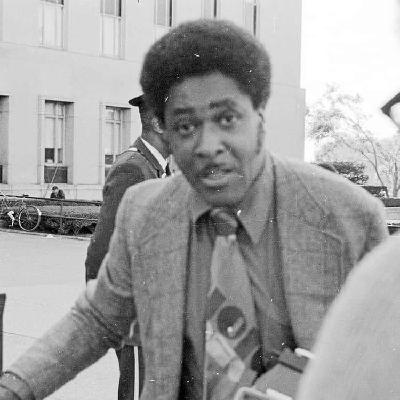
George Lester Jackson, a prominent African-American activist and author, died on August 21, 1971, at the age of 29 in San Quentin State Prison, California. Jackson's death occurred during an alleged escape attempt, which resulted in a violent confrontation that left six people dead, including Jackson himself. The official narrative from the state describes Jackson's death as a result of a failed escape attempt. According to this account, Jackson was shot by a prison guard in a gun tower while trying to flee the prison. The incident also led to the deaths of three correctional officers—Jere P. Graham, Frank DeLeon, and Paul Krasenes—and two inmates, Ronald Kane and John Lynn.
Jackson's death was highly controversial and sparked significant debate and investigation. Many supporters and activists questioned the official version of events, suggesting that Jackson was assassinated by prison authorities due to his influential role in the Black power movement and his leadership within the prison system. Jackson was a co-founder of the Black Guerrilla Family, a Marxist-Leninist revolutionary organization, and had gained widespread attention for his writings, including the books "Soledad Brother" and "Blood in My Eye."
Prior to his death, Jackson had been involved in several high-profile legal cases. In 1961, he was convicted of armed robbery and sentenced to an indeterminate term of one year to life in prison. While incarcerated, Jackson became a prominent figure in the prison reform movement and was one of the "Soledad Brothers," a group of three African-American inmates charged with the murder of a white prison guard, John Vincent Mills, at Soledad Prison in 1970. The case garnered national attention and became a symbol of racial injustice within the American prison system.
The circumstances surrounding Jackson's death led to multiple investigations and legal proceedings. Supporters argued that Jackson's death was a premeditated act of violence by prison authorities, while officials maintained that it was a justified response to an escape attempt. The conflicting narratives and lack of conclusive evidence have left Jackson's death shrouded in mystery and controversy. His legacy, however, continues to inspire discussions on prison reform, racial justice, and the treatment of incarcerated individuals.