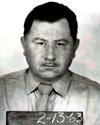
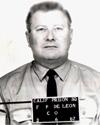
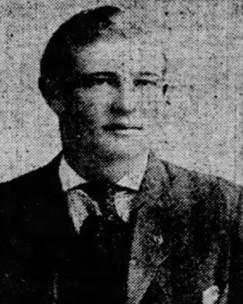
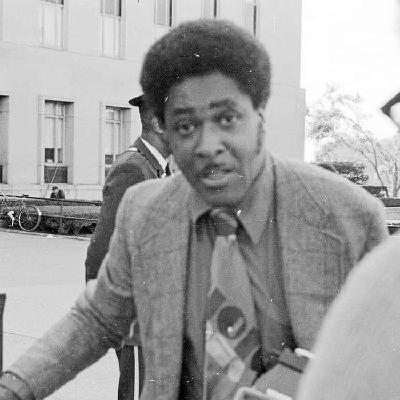
Mark Adams, an inmate at San Quentin State Prison, was fatally shot on March 7, 1994, during a fistfight with another prisoner in the exercise yard of the prison's segregation unit. The incident occurred when Correctional Officer Timothy Scott Reynolds, who was stationed in a guard tower, fired three shots from a distance of 25 feet, striking Adams once in the back of the head. The shooting was part of a broader policy within the California Department of Corrections that allowed the use of lethal force to break up fights between unarmed prisoners. This policy was unique to California and had led to the deaths of several inmates over the years.
The aftermath of Adams' death led to significant legal actions. In a wrongful death trial held in U.S. District Court in San Francisco, a federal jury found that Reynolds had used excessive force. The jury awarded more than $2.3 million in damages to Adams' family, including his mother, wife, and estate. The damages were divided among Reynolds, then-San Quentin Warden Arthur Calderon, and former Director of the California Department of Corrections James Gomez. The jury's decision highlighted the flawed policies that permitted the use of deadly force in situations that could have been resolved with non-lethal means.
The case also brought to light the broader issues within the California prison system regarding the use of force. Between 1989 and 1994, state prison guards had fatally shot 28 inmates, a number significantly higher than in other U.S. prisons combined. The policy allowing the use of firearms to break up fistfights was heavily criticized, and the Adams case became a catalyst for change. Following the verdict, the Department of Corrections announced revisions to its shooting policy, aiming to reduce the use of lethal force and implement more stringent guidelines for when firearms could be used.
Additionally, the case revealed troubling aspects of the prison culture. Testimonies during the trial included statements from Reynolds' former girlfriend, who claimed that Reynolds had bragged about the shooting. This testimony further underscored the need for reform within the prison system. Despite the legal victory for Adams' family, the case left a lasting impact on the policies and practices of the California Department of Corrections, prompting a reevaluation of how force is used within the state's prisons.