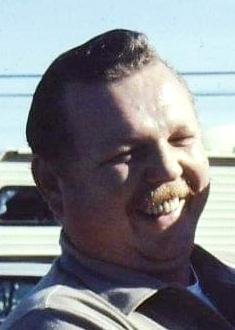
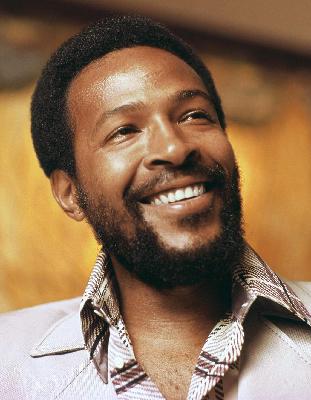
Barry Gene Evans, a 17-year-old Black youth, died on February 10, 1976, in Los Angeles, California. His death occurred during an encounter with the Los Angeles Police Department (LAPD). According to reports, Evans was at an apartment complex when officers Lindquist and Rumple began questioning him regarding a reported burglary. The situation escalated, leading to the officers fatally shooting Evans.
The LAPD's official statement claimed that Evans was shot because he posed a threat to the officers, but this account was met with significant public skepticism and outrage.
In the aftermath of Evans' death, the community, particularly the People, United of Pacoima for Justice (PUPJ), demanded accountability and transparency. PUPJ wrote a letter to the Police Commission, expressing their concerns over the handling of the case and calling for a thorough investigation. They highlighted the systemic issues of police brutality and racial discrimination, which they believed played a role in Evans' death. The community's outcry led to increased scrutiny of the LAPD's practices and calls for reform.
Despite the public pressure, the investigation into Evans' death faced numerous challenges. On April 20, 1977, Pacoima United sent a letter to John Van de Kamp, the Los Angeles District Attorney, criticizing his office's failure to conduct a proper investigation into the incident. The letter underscored the community's frustration with the lack of progress and the perceived indifference of the authorities. This lack of action further fueled the community's distrust in the justice system and highlighted the broader issues of accountability within law enforcement.
The case of Barry Gene Evans remains a poignant example of the struggles faced by marginalized communities in seeking justice. It underscores the importance of transparency, accountability, and the need for systemic reforms to address the deep-rooted issues of racial discrimination and police brutality. The legacy of Evans' death continues to resonate, serving as a reminder of the ongoing fight for justice and equality.