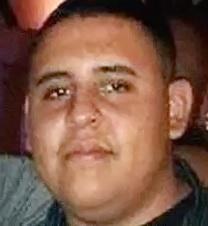
Ronald G. Doney, aged 36, tragically lost his life on February 16, 1988, in Sunnyvale, California, during a mass shooting at ESL Incorporated, a defense contractor. The perpetrator, Richard Wade Farley, a former employee of ESL, carried out the attack after being fired from the company. Farley, who had an obsessive fixation on a co-worker named Laura Black, entered the ESL building armed with multiple firearms and opened fire, killing seven people, including Doney, and wounding four others.
The incident, known as the ESL shooting, was one of the deadliest workplace shootings in California's history. Farley's obsession with Black had escalated over several years, leading to his termination from ESL. On the day of the shooting, he brought 98 pounds of guns and ammunition into the building, targeting his former colleagues in a violent rampage. The attack ended after a standoff with the police, during which Farley eventually surrendered.
Following the massacre, Farley was arrested and charged with multiple counts of murder, attempted murder, and other related offenses. He was convicted and sentenced to death in 1992. The case went through numerous appeals, with Farley's death sentence being upheld by the California Supreme Court. The ESL shooting had a profound impact on workplace safety policies and highlighted the dangers of workplace violence and stalking.
The memory of the tragedy continues to resonate with survivors and the families of the victims, including Ronald G. Doney's family. The incident also inspired a made-for-TV movie, "I Can Make You Love Me: The Stalking of Laura Black," which dramatized the events leading up to and including the shooting. Farley's actions and the subsequent legal proceedings remain a stark reminder of the devastating consequences of unchecked obsession and workplace violence.