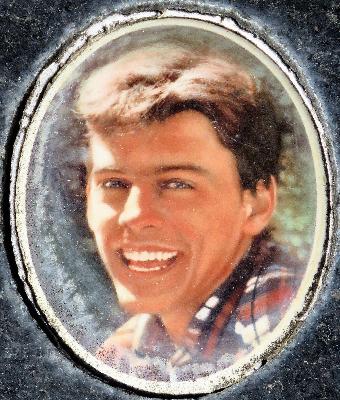
Lawrence J. Kane, aged 46, tragically lost his life on February 16, 1988, in Sunnyvale, California, during a mass shooting at the headquarters of ESL Incorporated. This horrific event was perpetrated by Richard Wade Farley, a former employee of the company. Farley, who had been obsessively stalking his co-worker Laura Black for four years, carried out the attack after being fired for his behavior.
On the day of the incident, Farley arrived at the ESL building armed with multiple firearms and over 1,000 rounds of ammunition. He first encountered Lawrence J. Kane in the parking lot and fatally shot him as he was leaving the building. This marked the beginning of a violent spree that resulted in the deaths of seven people and injuries to four others.
The motive behind Farley's attack was his unrequited obsession with Laura Black. Despite her repeated rejections and attempts to distance herself, Farley continued to harass her, leading to his eventual dismissal from ESL. On the day of the shooting, Farley intended to confront Black, but his rampage extended beyond his initial target, affecting numerous innocent lives, including that of Lawrence J. Kane. The incident shocked the community and highlighted the dangers of workplace violence and stalking.
Following the shooting, Richard Farley was arrested and charged with multiple counts of murder, attempted murder, and other related offenses. He was held at the Santa Clara County Jail under a 24-hour suicide watch. The legal proceedings that followed were closely watched, with many calling for the death penalty. Farley was ultimately convicted of seven counts of first-degree murder and sentenced to death. He remains on death row at the California Health Care Facility.
The case also brought attention to the need for better workplace safety measures and the importance of addressing stalking and harassment issues before they escalate to violence. The tragic death of Lawrence J. Kane and the other victims serves as a somber reminder of the devastating impact of such incidents on individuals, families, and communities.