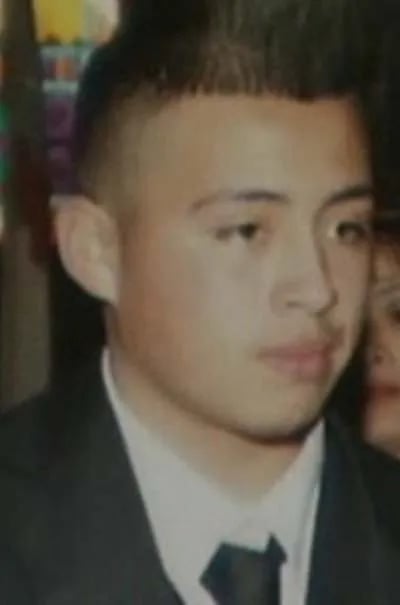
Lance Clark, a 9-year-old boy from Oakland, California, tragically lost his life on July 26, 1993. The incident occurred during a robbery attempt by Earnest Dykes, who was 20 years old at the time. Dykes, a tenant in the apartment building owned by Lance's grandmother, Bernice Clark, attempted to rob her in the parking lot of the building. During the struggle, Dykes fired a shot from his .45-caliber semiautomatic pistol, which struck Bernice in the neck and then hit Lance, who was sitting next
to her in the car. The bullet wound proved fatal for Lance.
Following the incident, Dykes was arrested and charged with multiple offenses, including first-degree murder for the death of Lance Clark and attempted murder for wounding Bernice Clark. In 1995, an Alameda County jury found Dykes guilty of these charges. The court also convicted him of robbery and illegal possession of a loaded handgun, as he was on probation at the time of the shooting. Dykes confessed to the police that he needed money to attend Laney College and decided to rob his landlady, who was known to carry cash.
The trial included emotional testimonies from Lance's family, highlighting the impact of his death. Bernice Clark testified about Lance's plans to buy a toy for his younger brother with his saved allowance, and his sister, Kristie Clark, shared memories of Lance's affectionate nature. The court allowed this "victim impact" evidence to humanize Lance and illustrate the loss suffered by his family and society.
Dykes' defense argued that the shooting was accidental and challenged the admissibility of his confession, claiming it was obtained without proper legal representation. However, the court found no evidence of police coercion and upheld the confession's validity. The jury ultimately sentenced Dykes to death, a decision that was later upheld by the California Supreme Court in 2009. Despite ongoing appeals, Dykes remains on death row, continuing to challenge his conviction and sentence through various legal avenues.