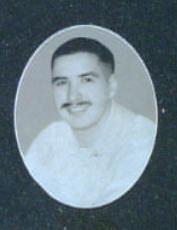
Jose Perez, aged 40, tragically passed away on June 24, 2002, in Los Angeles, California. His death was a result of a violent incident that shocked the local community. On that fateful day, Perez was found deceased in his residence, having suffered multiple stab wounds. The Los Angeles County Coroner's Office confirmed that the cause of death was homicide due to the severity and number of the injuries sustained.
The investigation into Jose Perez's murder revealed a complex web of
circumstances. Initial reports indicated that Perez had been involved in a heated argument with an unidentified individual shortly before his death. Witnesses reported hearing loud voices and a commotion coming from Perez's home on the night of the incident. The police were called to the scene by concerned neighbors who discovered Perez's lifeless body upon their arrival.
As the investigation progressed, law enforcement officials identified several potential suspects. Among them was a known associate of Perez, who had a history of violent behavior and previous run-ins with the law. This individual was taken into custody for questioning but was later released due to insufficient evidence linking them directly to the crime. The case remained open, with detectives continuing to pursue leads and gather information from the community.
In the years following Perez's death, the case saw several developments. New evidence emerged, including forensic analysis and witness testimonies, which pointed to the involvement of a local gang. It was believed that Perez's murder was a targeted attack, possibly related to gang activities in the area. This theory gained traction when another suspect, a reputed gang member, was arrested and charged with Perez's murder. The suspect, however, maintained their innocence, leading to a lengthy legal battle.
The trial of the accused gang member brought to light the violent undercurrents within the community. Prosecutors presented a compelling case, supported by witness statements and forensic evidence, suggesting that Perez had been killed as a result of a gang-related dispute. The defense, on the other hand, argued that the evidence was circumstantial and that their client was being wrongfully accused. Despite the defense's efforts, the jury found the suspect guilty of first-degree murder, resulting in a life sentence without the possibility of parole.
Throughout the investigation and subsequent trial, the Perez family sought justice for their loved one. They remained vocal about the need for a thorough investigation and expressed their relief when the case finally reached a resolution. The community, too, was impacted by the tragic loss and the ensuing legal proceedings, which highlighted the ongoing issues of gang violence and the importance of community cooperation in solving such crimes.