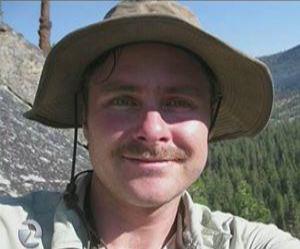
Philip Andrew Lacy, a 27-year-old resident of South San Francisco, tragically lost his life on July 13, 2008, in Palo Alto, California. Lacy was found lying on the sidewalk in the early hours of the morning, having been shot during a robbery. The incident occurred on a downtown Palo Alto street, where Lacy and his friends were sitting in a parked car after a night out. The assailant approached them, initially asking for a cigarette. When Lacy handed over a cigarette, the situation escalated as the assailant pulled out a handgun and demanded Lacy's gold necklace, valued at $5,000. In the ensuing struggle, Lacy was shot and later succumbed to his injuries.
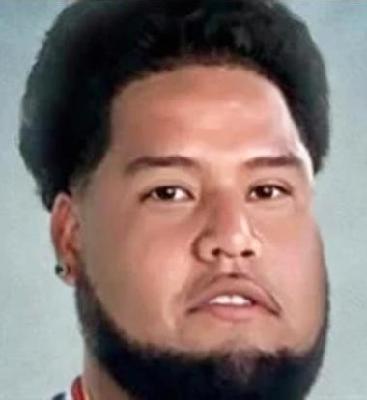
The investigation into Lacy's death led to the arrest of Otto Koloto, a 23-year-old man from Gilroy. Koloto was charged with first-degree murder and robbery. During the trial, conflicting testimonies emerged regarding the nature of the encounter. Lacy's friends testified that Koloto had approached them under the pretense of asking for a cigarette before robbing and shooting Lacy. Koloto, on the other hand, claimed that the incident was a drug deal gone wrong, asserting that he had acted in self-defense when Lacy became hostile.
Despite Koloto's defense, the jury found the testimonies of Lacy's friends more credible. Under California's felony murder rule, Koloto was convicted of first-degree murder, as the killing occurred during the commission of a robbery, an inherently dangerous crime. The jury deliberated for two days before reaching a unanimous verdict. Koloto was sentenced to life in prison without the possibility of parole, bringing some measure of justice to Lacy's family and friends.
The case highlighted the dangers of street crime and the severe consequences of violent actions. Lacy's death was a profound loss to his loved ones, who remembered him as a kind and caring individual with a big smile and an even bigger heart. His tragic end serves as a somber reminder of the impact of violence on individuals and communities.