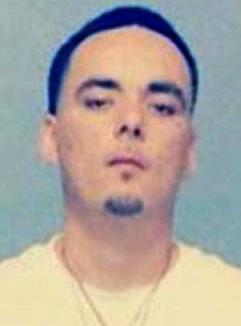
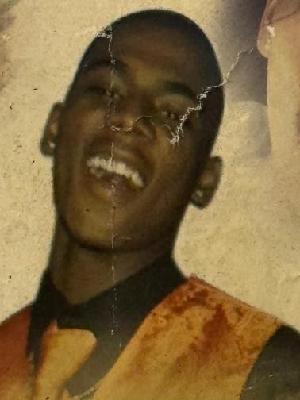
John Raymond Hege, a 41-year-old officer with the Oakland Police Department, tragically lost his life on March 21, 2009, during a routine traffic stop that escalated into a deadly confrontation. Officer Hege, along with Sergeant Mark Dunakin, was conducting a traffic stop at 74th Avenue and MacArthur Boulevard when the driver, a parolee with an extensive criminal history, opened fire. Sergeant Dunakin was killed instantly, and Officer Hege was critically wounded.
Despite the efforts of citizens who performed CPR and the emergency medical team, Hege succumbed to his injuries a few days later.
The suspect, who fled the scene on foot, triggered a massive manhunt involving multiple law enforcement agencies. The search culminated in a standoff at an apartment building on 74th Avenue, where the suspect had barricaded himself. When negotiations failed, a SWAT team was deployed to apprehend him. As the officers approached, the suspect opened fire again, resulting in the deaths of Sergeant Ervin Romans and Sergeant Daniel Sakai, and wounding another officer. The SWAT team returned fire, killing the suspect on the spot. It was later revealed that the suspect was on parole for assault with a deadly weapon and had a no-bail parole warrant at the time of the incident.
In the aftermath of this tragic event, the Oakland community and law enforcement agencies mourned the loss of four dedicated officers. Officer Hege, who had served with the Oakland Police Department for ten years, was remembered for his commitment to public service and his role as a high school teacher before joining the force. His death, along with those of his colleagues, highlighted the dangers faced by law enforcement officers and led to various memorials and tributes in their honor. The Keller Avenue Bridge over I-580 was renamed to commemorate the fallen officers, and a memorial backstop was dedicated at Hampton Field in honor of Officer Hege.
The incident also sparked discussions about parole policies and the risks posed by repeat offenders. The suspect's violent history and the circumstances of his parole raised questions about the effectiveness of the parole system and the measures in place to monitor high-risk individuals. The Oakland Police Department and other agencies reviewed their procedures and protocols to prevent such tragedies in the future, emphasizing the need for improved communication and coordination during high-risk operations.