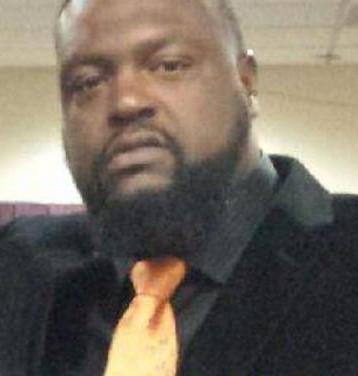
Malik Birchett, a 20-year-old resident of Oakland, California, tragically lost his life on January 9, 2013, in a drive-by shooting. The incident occurred in the 600 block of 55th Street around 2:30 p.m. Birchett was a passenger in a gray pickup truck when Billy Joe Drinkwater, a reputed gang member, opened fire from a red car. The shooting was reportedly a retaliatory act linked to the earlier killing of Drinkwater's friend, Lorenzo Lamar Ward, in September 2012.
Drinkwater believed that the occupants of the pickup truck, including Birchett, were connected to Ward's death.
Following the shooting, Drinkwater fled the Bay Area and was apprehended eight days later in Oklahoma City. He was charged with murder but later pleaded no contest to a lesser charge of voluntary manslaughter during his trial in 2016. The prosecution argued that Drinkwater's actions were premeditated and driven by a desire for revenge. However, the defense contended that there was insufficient evidence to conclusively link Drinkwater to the fatal shooting, citing a lack of direct evidence and inconsistencies in witness testimonies.
Desmond Provost, another passenger in the pickup truck, was also implicated in the case. Provost had been charged with murder for his involvement in Ward's death but later pleaded no contest to voluntary manslaughter. He agreed to testify against Drinkwater in exchange for a reduced sentence. Keiar Robinson, the driver of the car from which Drinkwater fired the shots, claimed he was unaware of Drinkwater's intentions. Robinson's familial connections to the Oakland Police Department were scrutinized during the investigation, with allegations that certain evidence may have been overlooked.
The case concluded with Drinkwater receiving a 13-year prison sentence for voluntary manslaughter. Birchett's family expressed their dissatisfaction with the outcome, feeling that the sentence was too lenient given the circumstances. They highlighted the profound impact of Birchett's death on their lives, particularly on his young daughter, and hoped that the tragedy would serve as a catalyst for positive change within their community.