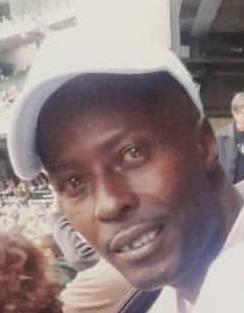
Dominique Jamar Parks, a 29-year-old resident of Oakland, California, tragically lost his life on October 12, 2014. The incident occurred near 73rd Avenue and International Boulevard in East Oakland. Parks was shot around 8 a.m. and was subsequently taken to a hospital where he underwent multiple surgeries. Despite the medical efforts, he succumbed to complications from his gunshot wounds on October 23, 2014, after having both of his legs amputated.
The investigation into Parks' death
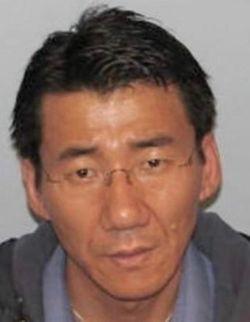
led to the arrest of Brian Carter, a 34-year-old man from Oakland. Carter was charged with murder and a weapons enhancement by Alameda County prosecutors. He was apprehended at an apartment in Pittsburg, where authorities discovered two guns and ammunition. Carter had a history of prior convictions, including assault with a deadly weapon and marijuana possession. He was held without bail at Santa Rita Jail in Dublin.
The case against Carter was complex and fraught with challenges. During the trial, it was revealed that the shooting stemmed from a dispute over a marijuana deal. Prosecutors presented video surveillance footage and statements from Parks' wife, Fatima Parks, and brother, Donta Parks, to support their case. However, the defense argued that the footage was too blurry to identify the shooter and suggested that Donta Parks, who was allegedly high on drugs at the time, could have been the perpetrator.
In March 2018, the trial ended in a mistrial after jurors were deadlocked 11-1 in favor of convicting Carter. Despite the mistrial, Carter was convicted of two lesser felonies for being an ex-felon in possession of a firearm and a prohibited person in possession of ammunition. The prosecution expressed confidence in the evidence against Carter and indicated plans to retry the case.
The tragic death of Dominique Jamar Parks and the subsequent legal proceedings highlight the complexities and challenges of the criminal justice system. The case remains a poignant reminder of the impact of violence and the ongoing efforts to seek justice for victims and their families.