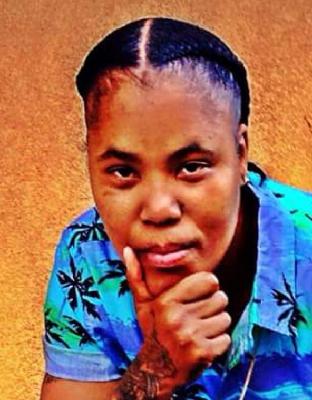
Kourtney Yochum, a 32-year-old transgender woman, was tragically shot and killed on March 23, 2016, in downtown Los Angeles. The incident occurred in the 500 block of South San Pedro Street, an area known for its high population of homeless individuals. According to authorities, Yochum was walking her two dogs when she was approached by her assailant, Daniel Molayem, a 39-year-old man with whom she had been in a long-term relationship. Molayem, who was also homeless, allegedly shot Yochum in the head during what appeared to be a domestic dispute. Yochum was pronounced dead at the scene, leaving the community in shock and mourning.
The investigation into Yochum's death revealed a history of domestic violence between her and Molayem. Witnesses reported that Molayem had been seen following Yochum around and even entering her apartment building on multiple occasions. This behavior had raised concerns among residents, but unfortunately, no intervention occurred before the fatal incident. On the day of the murder, an armed security guard named Alex Valiente managed to apprehend Molayem at gunpoint after a brief chase, ensuring that he was taken into custody by the police.
Following his arrest, Molayem was charged with one count of murder and one count of assault with a firearm. The case proceeded to trial, where prosecutors presented evidence of the abusive nature of Molayem and Yochum's relationship. In December 2017, Molayem was found guilty of first-degree murder and was subsequently sentenced to 50 years to life in state prison. The conviction brought some measure of justice for Yochum's family and friends, although the loss of her life continued to resonate deeply within the community.
The case of Kourtney Yochum highlights the pervasive issue of domestic violence and its devastating consequences. It also underscores the vulnerabilities faced by transgender individuals, particularly those living in precarious circumstances. Yochum's death serves as a somber reminder of the need for greater awareness, support, and intervention to protect those at risk of domestic violence and to address the broader societal challenges that contribute to such tragedies.