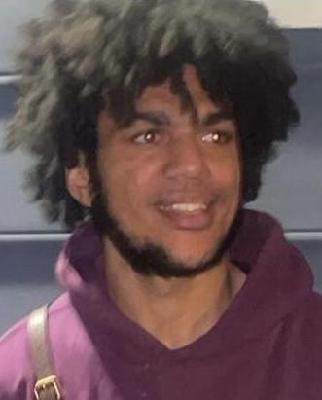
Dorian Nathaniel Myers Sr., 24, was a Black man from New Orleans, Louisiana, whose life ended on Thursday, January 27, 2011, leaving a sudden, aching silence where a young father’s laughter and plans should have been.
Those who knew him were left to reckon with the kind of loss that arrives like a storm and then never really passes. In the days after his death, the focus turned to the people he loved most and the people who loved him back just as fiercely. He was a son to Deidre A.
Moore and Lionel N. Myers Sr., and he was a father to his child, Dorian Nathaniel Myers Jr., a bond that made his absence feel even heavier. He was also a grandson to Rose Myers, and a brother, a relative, a familiar face in the circle of family and community that carries one another through both ordinary days and the unbearable ones.
As the reality set in, family and friends gathered around the rituals that people lean on when words won’t do: the arrangements, the calls, the quiet moments of staring at a phone that doesn’t ring with the voice you want. A service was announced for Saturday, February 5, 2011, at Pleasant Hill Baptist Church in Convent, Louisiana, a place where those who mourned him could come together under one roof and do what grief demands—say his name out loud, remember him as more than a headline, and honor the life that existed before the ending.
Even as loved ones tried to hold onto memories—who he was, the roles he filled, the pieces of everyday life that now felt painfully precious—another reality hovered nearby: the unanswered questions. His death has been categorized publicly as a murder, a word that carries its own cold finality. Yet in the information that remains publicly visible, there are no named suspects, no listed arrests, no charges, no trial, no conviction to offer a sense of accountability or closure. The story, as it appears in public listings, doesn’t resolve into a tidy conclusion. It simply stops, leaving the rest to be carried by those who still remember.
And that is often what hurts most: not only that someone is gone, but that the world keeps moving while a family is left holding a life cut short, a child growing with an empty space where a father should be, parents living with the permanent weight of a son’s absence, and relatives who still feel the jolt of disbelief when they think of him. Dorian’s name remains, tied to a case that has not been publicly cleared, a reminder that behind every brief line in an official listing is a real person with people who still love him—and a loss that, even years later, can feel as fresh as the day it happened.