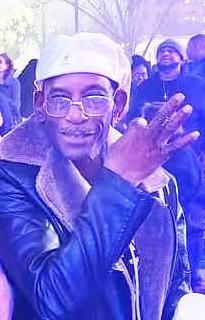
In the late summer of 2011, the community of Baton Rouge, Louisiana, was shaken by the violent death of a local man known for his dual passions: painting houses and spinning records. Daryl Taylor, a 45-year-old African-American man, was a familiar and well-liked figure in his community, known to many by his nickname. Beyond his work as a house painter, he brought joy to many as a disc jockey, sharing his love for music at various events.
On the evening of August 17, 2011, this sense of
community was shattered. An altercation broke out on Harelson Street, and in the ensuing chaos, Daryl Taylor was fatally shot. When officers from the Baton Rouge Police Department arrived at the scene, they found a man’s life cut short in an act of violence that would leave many questions in its wake.
The initial investigation into Taylor's death suggested the shooting occurred during a confrontation that involved several individuals. Law enforcement officials began the arduous task of piecing together the events of that night, appealing to the public for any information that could lead to the identification and apprehension of those responsible. Despite their efforts and the pleas for community assistance, the investigation proved to be challenging. At the time, Baton Rouge was grappling with a significant rise in violent crime, particularly incidents involving firearms, which added a layer of complexity for investigators.
In the years that have passed since Daryl Taylor’s untimely death, a profound silence has surrounded the case. There have been no public announcements of any arrests made in connection with his murder, nor has any information been released identifying a suspect or suspects. The case, like many others in a city that has long struggled with violent crime, appears to have gone cold, leaving his family, friends, and community without answers or a sense of justice for a life taken too soon. His death remains a somber reminder of the enduring impact of unsolved homicides.