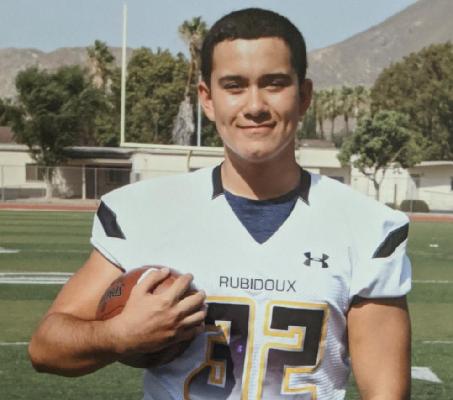
Angel Lopez, an 18-year-old from Riverside, California, tragically lost his life on June 12, 2020. The circumstances surrounding his death were deeply troubling and sparked a significant investigation. On that fateful day, Lopez was found with multiple gunshot wounds in a residential area of Riverside. Despite the efforts of emergency responders, he succumbed to his injuries at the scene. The incident was immediately classified as a homicide, prompting a thorough investigation by local law enforcement.
The investigation into Angel Lopez's murder revealed a complex web of events and potential motives. Initial reports indicated that Lopez may have been targeted due to his associations and activities within the community. Witnesses reported hearing gunshots and seeing a vehicle speeding away from the scene, which led investigators to believe that the shooting was a drive-by. The Riverside Police Department worked tirelessly to gather evidence, including surveillance footage from nearby homes and businesses, to piece together the events leading up to the shooting.
As the investigation progressed, several suspects were identified. Among them were individuals with known gang affiliations, which added a layer of complexity to the case. The police conducted numerous interviews and executed search warrants in an effort to apprehend those responsible. In the months following the murder, multiple arrests were made. These suspects faced charges ranging from first-degree murder to gang-related offenses. The legal proceedings were closely followed by the community, as the case highlighted ongoing issues of gang violence and public safety in Riverside.
The trial for the suspects involved in Angel Lopez's murder was a lengthy and arduous process. Prosecutors presented a compelling case, supported by forensic evidence and witness testimonies. The defense, however, argued that there was insufficient evidence to conclusively link their clients to the crime. Despite these challenges, the jury ultimately found the primary suspects guilty of the charges brought against them. The convictions brought a sense of closure to Lopez's family and friends, though the pain of his loss remained.
In the aftermath of the trial, the Riverside community continued to grapple with the broader implications of the case. Efforts to address gang violence and improve community relations were intensified, with local leaders and law enforcement agencies working together to prevent similar tragedies in the future. Angel Lopez's death served as a stark reminder of the impact of violence on young lives and the importance of community solidarity in the face of such challenges.