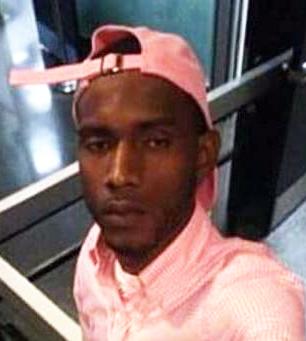
On the night of December 31, 1972, a young, Black, 19-year-old male police cadet named Alfred E. Harrell was nearing the end of his shift at the Central Lockup in New Orleans. With only five minutes remaining, his life was abruptly ended by a sniper's bullet. From a dark field 280 feet away, a man named Mark Essex fired a. 44 caliber carbine, striking and killing the young cadet who had been with the New Orleans Police Department for less than a year. This single act of violence was the beginning of a racially motivated reign of terror that would grip the city in fear.
Following the murder of Cadet Harrell, the gunman, Mark Essex, continued his deadly spree. Minutes after the initial shooting, Essex shot and wounded Sergeant Edwin Hosli, who was investigating a nearby warehouse alarm. Sergeant Hosli would later succumb to his injuries. Essex, a 23-year-old Navy veteran, harbored a deep-seated hatred fueled by racism he experienced in the military. This animosity manifested in a violent crusade against the police and white people. In the days that followed, he would continue his attacks, culminating in a siege at a downtown Howard Johnson's hotel.
The initial attack that claimed Cadet Harrell's life was a prelude to a larger, more coordinated assault. On January 7, 1973, Essex launched his final and most devastating attack at the Howard Johnson's hotel on Loyola Avenue. There, he set fires and shot at police, firefighters, and civilians from a rooftop vantage point. Before he was ultimately killed by police sharpshooters in a helicopter, Essex killed a total of nine people and wounded thirteen others. His violent rampage, which began with the tragic and unforeseen death of Cadet Alfred E. Harrell, left an indelible mark on the city of New Orleans, a somber chapter in its history born from one man's deep-seated hatred.