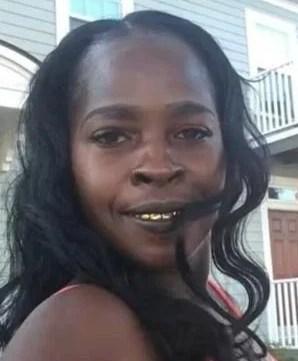
Black woman Karen Thomas, 48, was riding through Mid-City on a Sunday evening in New Orleans when gunfire erupted without warning. Around 6 p.m. on March 10, 2013, the car carrying her and two other people rolled along the 500 block of South Solomon Street. Then shots tore into the vehicle, turning an ordinary drive into a sudden scramble for survival. Karen was hit in the chest, gravely wounded in an instant, while a 31-year-old man in the car was struck in the wrist. The driver, miraculously unhurt, didn't wait for help to arrive—he pushed the car onward, racing them to the hospital in desperate hope that speed might save her life. It wasn't enough. Karen died after they reached medical care.
For years, the attack lingered as a cold case, defined by the silence that follows a shooting when answers don't come quickly. Investigators held onto what they could—time, place, wounds, the battered truth left behind in a moving car on a residential stretch of street. The case remained open as seasons changed and leads thinned, the memory of the shots fixed to that block of South Solomon and the hour when everything went wrong.
Then, five years later, the case moved again. New Orleans police arrested a 30-year-old man on suspicion tied to the violence that night, booking him on allegations of murder and attempted murder. The arrest signaled a shift from unanswered questions to accountability in motion, at least in the eyes of investigators, suggesting they believed they finally had enough to point to a single person and say the trail led back to him. The charges reflected not only Karen's death, but also the injury to the second victim—because even though only one person died, the gunfire had been meant to do more than scare, and it had struck more than one body.
What remains publicly clear from the available account is the shape of the crime and the direction of the investigation: an ambush-style shooting into a car, a fatal chest wound, a second victim wounded, and a later arrest for murder and attempted murder. Further details about the suspect's identity, the alleged motive, and what evidence prompted police to make the arrest are not included in the information provided here, and there is no confirmed public account in what you shared about subsequent court proceedings, trials, or convictions.