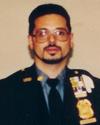
John Bresnahan, a 26-year-old man, was serving as a patrolman in New York City when a single burst of violence—tragically coming from the wrong direction—set his final days in motion. The accounts preserved online describe the shooting as a case of mistaken identity, with another officer firing on him as if he were a threat instead of a fellow policeman.
The gunshot was not immediately fatal.
He lingered for days, the wound severe enough that the brief span between injury and death became part of the story: he was shot on April 3, 1908, and then succumbed five days later, with his end of watch recorded as Wednesday, April 8, 1908. What happened in those intervening days is not richly documented in the accessible summaries, but the basic outline is stark—an accidental, unintended killing tied to confusion in the field, not an attack by a fleeing criminal.
In the way the incident is categorized, the death is attributed to inadvertent gunfire, underscoring that the fatal shot was not described as an intentional homicide by an outside assailant, but as a friendly-fire calamity within the hazards of policing. That label, clinical as it is, hints at the bitter irony of the moment: a patrolman doing his job in New York, New York, brought down not by the person he expected to confront, but by the split-second judgment of someone on his own side.
As for arrests, suspects, or courtroom reckonings, the surviving online summaries do not read like the usual manhunt-and-indictment narrative. They do not name the officer who fired, do not describe any criminal suspect being pursued for Bresnahan’s shooting, and do not provide details of an arrest, formal charges, trial proceedings, or a conviction connected to his death. Instead, the story ends where the mistake becomes irreversible: a misidentification, a gunshot wound, and a young patrolman who never recovered.