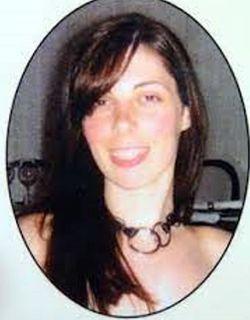
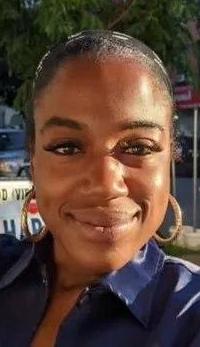
On January 27, 1973, a brief street encounter in New York City turned into a fatal moment that would leave more questions than closure. Rita Lloyd was in public with a friend when police stopped them, and within moments gunfire ended her life.
Lloyd was a 16-year-old Black girl. Accounts of what happened next hinge on two competing versions of the same instant: a plainclothes New York City police officer, identified in later retellings as Robert Milano, said the teenagers aimed a
sawed-off shotgun at him and that he fired defensively. Witnesses, however, disputed that claim, denying that a weapon was pointed the way the officer described.
As the city absorbed another death at the hands of police, the official path did not move toward a criminal courtroom. In the versions preserved by later summaries, no one was prosecuted for Lloyd’s killing, and the incident appears in lists and memorial compilations precisely because it ended without charges, trial, or conviction. In those records, the only clearly identified “suspect” is the officer who fired the shot.
Over time, Lloyd’s name lived on less through case files available to the public and more through remembrance—rolled into broader reckonings over police violence, especially violence against Black people. Later political and activist writing invoked Lloyd as an emblem of the era’s lethal encounters with law enforcement, reflecting how the story continued to resonate even as the legal system offered no arrest record or verdict to explain the ending.