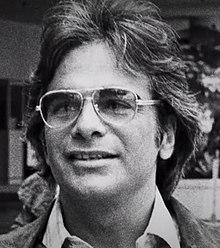
Richard “Dick” Kallman, a 46-year-old White man, was killed on February 22, 1980, inside his Manhattan home, a place that doubled as a showcase for the antiques and art trade he’d built after stepping away from show business.
By then, Kallman’s life had shifted from stages and studio lots to the hushed world of high-value objects—paintings, jewelry, rare furnishings—items that were easy to admire and even easier for the wrong person to covet.
He shared the townhouse with his partner and worked from there, the kind of arrangement that can feel private and secure until it suddenly isn’t.
That night, intruders forced their way in during what investigators described as a robbery. Accounts describe the attack as swift and brutal, ending with Kallman and Steven Szladek shot to death as the thieves ransacked the residence for valuables. In the wake of the killings, the most haunting detail wasn’t only the violence itself, but the emptiness left behind—paintings, jewelry, and antiques taken from the home were never recovered in the public record of the case, as if the stolen pieces vanished into a shadow market.
The investigation ultimately centered on Charles Lonnie Grosso of Queens. He was arrested and later convicted for the killings, with reporting and biographical accounts placing the case’s courtroom climax in 1981, when a jury found him guilty of murder and the judge imposed a sentence of 25 years to life in prison.
Some sources describe more than one intruder—three perpetrators in the home that night—yet public-facing summaries typically name only Grosso as the person convicted, leaving the impression of a larger crime narrowed to a single defendant by the time the case reached sentencing.