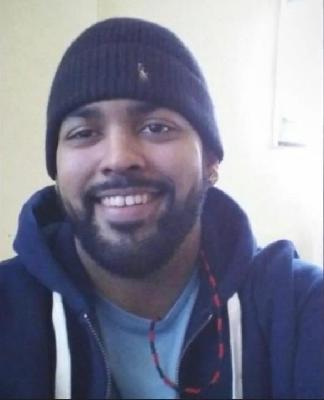
Cecil Holcombe, a 54-year-old Black man, was remembered by those closest to him as hardworking, devoted to family, and the kind of person who would do anything for anyone. Friends and loved ones described him as fun-loving and churchgoing, and they spoke of a steady pride in the life he built—one anchored by work and responsibility, including raising five children. He had roots in Spartanburg, South Carolina, where he attended school from elementary through high school, and later made his way to New York, where he worked as a garage general manager.
By the winter of 1983, New York City was living through a period when violent death had become grimly routine. That year would ultimately be recorded as one of relentless bloodshed across the five boroughs, with citywide data later documenting 1,628 homicides—most often driven by disputes and, more than half the time, carried out with handguns. In that atmosphere, an ordinary day could turn suddenly fatal, and the line between a normal evening and a police response was sometimes only a few seconds long.
On February 1, 1983, Holcombe was killed in New York, New York, in what is recorded simply as gun violence. The public-facing details that survive today do not spell out where he was standing, who he was with, or what set the moment in motion—only that a firearm ended his life and left his name to be carried forward by memory, photographs, and brief, aching tributes.
In the accounts available online, no suspect is identified and no arrest, charge, trial, or conviction is described in connection with his killing. Official recordkeeping for homicides of that era did exist in detailed formats—logs that could include a synopsis, the detective assigned, and even a named perpetrator when known—but those materials are not presented publicly in a way that ties specific investigative outcomes to Holcombe’s case through open sources. What remains, instead, is the familiar cold outline of a life taken and a question left hanging: who pulled the trigger, and why.
And yet the shape of the man is clearer than the shape of the crime. In the sparse space where the record goes quiet, people have kept speaking him back into focus—his work, his character, his love for family—returning again and again to the simplest truth they insist on holding: he mattered, he was loved, and his absence has never stopped being felt.