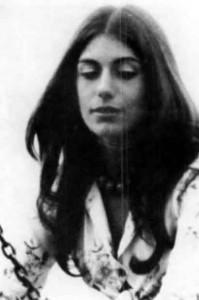
Maria Theresa Tumangan Magtoto, a 39-year-old Filipino female, died on December 7, 1993, after an ordinary rush-hour ride on the Long Island Rail Road turned into a three-minute nightmare. That evening’s eastbound commuter train left Penn Station in Manhattan and made its stop through Jamaica in Queens, packed with people thinking about dinner, holiday plans, and the simple relief of heading home.
Somewhere in the third car, Magtoto was just another passenger among dozens—until the quiet rhythm of the ride was shattered by the snap of gunfire.
As the train approached the Merillon Avenue station in Garden City Park, passenger Colin Ferguson rose with a 9mm semi-automatic pistol and began firing down the aisle at close range. Witnesses later described the attack as steady and deliberate, the sound of shots so relentless that some riders didn’t understand what they were hearing until screams and frantic movement made the truth unavoidable. People dropped beneath seats, clawed toward the next car, and surged in panic as the train slowed, leaving a trail of chaos and blood through the carriage. In the middle of that crush, Magtoto was struck, one of the six riders whose lives were taken in the barrage that also wounded nineteen others.
The violence ended not because the gunman chose to stop, but because other passengers forced it to stop. As Ferguson reloaded, riders rushed him—tackling and pinning him across the seats while others helped hold his arms and legs so he could not raise the weapon again. An off-duty railroad police officer then boarded and handcuffed him, turning a moment of raw terror into an arrest in plain sight, with the stunned survivors still trapped in the aftermath. Emergency responders converged on the station, and the wounded were rushed for treatment, but for six victims—including Magtoto—the injuries proved fatal.
Investigators quickly treated the case as a planned mass attack. Ferguson was taken into custody at the scene and brought into the criminal justice system almost immediately. In the early proceedings, he was arraigned the day after the shooting and held without bail. A grand jury later returned a sweeping indictment that reflected the scale of the carnage, and prosecutors pursued the case as an intentional mass killing, along with charges tied to the many wounded and to weapon possession. The case drew intense public attention, both for the horror of the crime and for the spectacle of what came next in court.
At trial, Ferguson dismissed his lawyers and insisted on representing himself, personally questioning survivors and witnesses in a courtroom already heavy with grief. Despite the unusual posture of the defense, the verdicts were decisive: he was convicted of second-degree murder for the six deaths, convicted of attempted murder for the nineteen people wounded by gunfire, and convicted on additional weapons charges. He was acquitted on some harassment-related counts, but the convictions that mattered most ensured he would not return to ordinary life. The sentence that followed amounted to a lifetime behind bars—six consecutive life terms, with additional years added—cementing Ferguson as the sole identified perpetrator and leaving no unresolved question of a separate suspect in Magtoto’s death.
In the years since, the massacre has been remembered not only as a defining moment in regional history, but as a wound that never entirely closes for families and survivors. Anniversaries bring renewed attention to the train, the station, and the moments when an evening commute became a mass shooting. Yet the core of the story remains unchanged: Magtoto’s life ended in the sudden, senseless violence of that railcar, and the person responsible was caught there, tried, and permanently imprisoned.