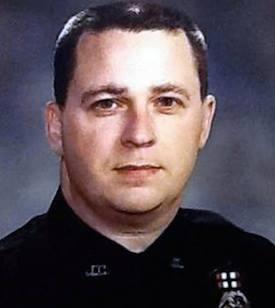
Marc Henri Bernard, 44, a Black male from the Endicott area, was killed on the morning of April 3, 2009, inside the American Civic Association in downtown Binghamton, New York—an immigrant support center where people gathered for help building a life in a new place, including English instruction and other services. That Friday began with the ordinary rhythm of a class in session, the kind of quiet routine where strangers become familiar faces over time, until violence cut through the building
and turned a place meant for learning and belonging into a scene of terror and loss.
Investigators said the gunman, identified as Jiverly Antares Wong arrived and blocked off an exit by barricading the rear door with a vehicle, then entered and opened fire. The attack unfolded in minutes, with shots tearing through the reception area and into a classroom, where many of the victims were trapped with nowhere to run. Emergency calls poured in and police rushed to the scene, but the shooting was over quickly; the perpetrator died by suicide inside the building. Authorities described a barrage of gunfire—dozens of rounds fired in a short span—leaving thirteen people dead and several others wounded.
In the days that followed, Bernard’s name became one of the faces of the tragedy: a husband and father whose family’s world collapsed in a single morning. Obituaries and remembrance stories described a household left behind—two young children, relatives spread across states and countries, and a community grappling with the sudden absence of people who had been present in everyday, unremarkable ways only hours earlier. A memorial Mass held for Bernard and his wife spoke to the particular heartbreak of a couple moving through life side by side, then being taken together in the same event, leaving their children to be raised in the long shadow of what happened.
Because the perpetrator died at the scene, there were no arrests, criminal charges, trials, or convictions tied to Bernard’s killing. The case instead shifted into the work of reconstruction—how the shooter prepared, how the weapons were acquired, what warning signs were missed, and what could be learned. Reports described him as having legally held a pistol permit in Broome County and possessing multiple handguns; investigators also examined materials connected to him after the attack, including communications that reflected resentment and paranoia, but no accomplice was identified as part of the shooting itself. The accountability that typically comes through court never arrived in this case, leaving families like Bernard’s to carry their grief without the punctuation of a verdict—only the facts of what happened, and the life that should have continued beyond that April morning.