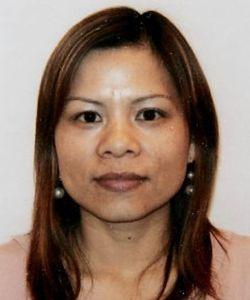
Li Guo, 47, a Chinese woman, was living in the Binghamton, New York, area as a visiting research scholar from Shenzhen University when a routine morning at an immigrant aid center turned into catastrophe. She had come to the region for academic work and had joined Binghamton’s Department of Public Administration in June 2008, with her appointment set to run through the end of June 2009.
On Friday morning, April 3, 2009, she was inside the American Civic Association in downtown Binghamton, a place known for helping newcomers with language learning and the long, patient work of building a life in a new country. She took classes there as soon as she arrived, working to improve her English, and colleagues recalled how seriously she treated the effort—showing up consistently and forming friendships in the classroom.
At about 10:30 a.m., the quiet of the building shattered when a gunman later identified as Jiverly Antares Wong entered after blocking the rear exit with a vehicle. Witness accounts and police descriptions portray an attack that began without warning: gunfire in the reception area, then a rush toward the rooms where people were gathered for English instruction and immigration-related help.
Investigators said Wong fired in a rapid burst, emptying magazines in little more than a minute. Ballistics later attributed 87 shots to a 9mm handgun and 11 to a. 45-caliber handgun, and reports from the days after the massacre described the sheer volume of gunfire as one of the defining horrors of the event.
The attack ended as abruptly as it began. Authorities ultimately found the shooter dead inside the building from a self-inflicted gunshot wound, and the incident was treated as a murder-suicide carried out by a lone perpetrator. Because he died at the scene, there were no arrests or prosecutions connected to the killings, and no trial that could answer, in a courtroom, the questions survivors and families were left to carry.
In the aftermath, investigators traced a trail of troubling signals in Wong’s life and state of mind, including a letter he mailed to a television station in which he claimed he was the shooter and wrote at length about grievances and perceived persecution. The letter became part of the public record of the case, a bleak window into the story he told himself as he moved toward violence.
For Li Guo’s colleagues and the community around her, the facts of how she died could never outweigh the meaning of how she lived in Binghamton—showing up to learn, to work, and to build bridges between institutions. In the weeks that followed, Binghamton University held a ceremony in her memory attended by family and Chinese officials, and the university noted that an exchange agreement between Binghamton and Shenzhen universities was signed in that same period, a gesture that tried to salvage connection from the wreckage.