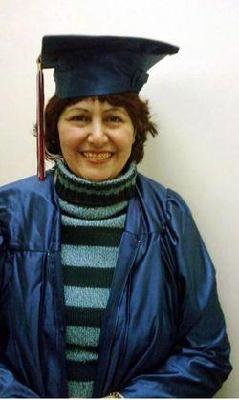
Hai Hong Zhong, 54, a woman originally from China, was spending the morning of April 3, 2009, at the American Civic Association in downtown Binghamton, New York, a small place where newcomers practiced English and worked toward the everyday milestones of a new life. People who knew her later described her as friendly and hardworking, someone eager to improve her English, someone who showed up for class because she wanted to understand her adopted home and be understood in it.
Just after
10:30 a.m., that ordinary routine shattered. A gunman arrived at the building and used his car to barricade a rear exit, then moved in through the front. In the first moments, two receptionists were hit in the entry area. One did not survive. The other, badly wounded, played dead, crawled for cover, and managed to call 911, staying on the line long enough to relay what was happening inside.
The attacker then entered a classroom near the reception area where students were gathered for instruction connected to English and citizenship. In a matter of minutes, the room became a place of chaos and terror. Zhong was among those killed in that classroom, caught in the sudden violence that targeted people who had come to learn, to ask questions, to take another step toward belonging.
Outside, police rushed to the scene as frantic calls poured in, but inside the building people had already scattered to survive. Some hid in closets and under desks. Others fled to the basement and stayed there for hours, using cell phones to keep contact with authorities, swapping phones as batteries died. Officers set a perimeter and, uncertain whether the shooter was still moving through the building or waiting behind a door, proceeded cautiously. A tactical team eventually worked its way inside, clearing rooms and bringing survivors out one by one, trying to separate victims from any possible threat in a place where many of the people emerging could not easily communicate in English.
The suspect was identified as Jiverly Antares Wong, also known as Jiverly Voong, a 41-year-old from the area who investigators said had also taken English classes at the center. He was found dead at the scene from a self-inflicted gunshot wound, ending the attack the same morning it began. Because he died there, there were no arrests for the killings, no criminal charges filed against him for the massacre, and no trial that could answer, in a courtroom, the questions families carried afterward.
In the days that followed, investigators searched his home and gathered evidence as they tried to understand what drove him. Reports described him as having felt humiliated by his struggles with English and shaken by job loss. A letter mailed to a television station, dated weeks earlier and postmarked the day of the shooting, was turned over to authorities for review; it included photos of him with firearms and documents such as a gun permit and identification, and it portrayed a mind consumed by grievances and paranoia, blaming police and insisting that he intended to die while taking others with him. The horror he inflicted was swift, but its aftermath stretched on: a community grieving, families rebuilding their lives around an absence, and the story of Zhong—someone who went to class to better her future—ending in a place that should have been safe.