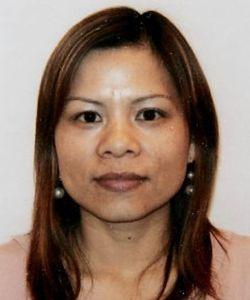
Layla Khalil, 57, was a woman who had come to Binghamton, New York, chasing the simple promise that ordinary mornings could stay ordinary. Iraqi-born, she had already lived through violence close to home and arrived in the United States with her husband and children believing the danger was behind them. She loved books and had worked as a librarian, and she threw herself into learning English, drawn to the immigrant aid center where people from many places practiced new words and traded small
kindnesses as they tried to start over.
On April 3, 2009, that routine morning shattered at the American Civic Association. As class gathered, a man who had previously attended English sessions returned armed, and the building that had been a place of paperwork, lessons, and quiet encouragement became a trap. In the first moments, the attack cut through the front area and into the classroom where immigrants were studying, turning desks and chairs into sudden cover that wasn’t enough. In minutes, Layla was among those killed.
Investigators said the gunman had blocked a rear exit with a vehicle and came in wearing protective gear, firing rapidly at close range in the cramped classroom space. Ballistics findings described an onslaught of nearly a hundred shots from two handguns, and police accounts described how quickly it unfolded—so fast that many victims had little chance to react. One wounded receptionist survived by playing dead and later helped alert authorities, while others inside hid where they could as officers converged on the scene and the building was cleared.
The suspect was identified as Jiverly Antares Wong, and the case never moved toward an arrest or trial because he died at the scene from a self-inflicted gunshot wound. Police reported that he had a New York State pistol permit dating back years, with the handguns linked to that permit, and they described him as an angry, troubled figure whose grievances—job loss and frustration with language barriers among them—had curdled into violence. With the shooter dead, there were no later arrests connected to Layla’s killing, and no courtroom reckoning beyond the investigations that reconstructed the minutes inside the center.
In the days that followed, grief spread through Binghamton and far beyond it, because so many of those in that classroom had ties elsewhere—families, languages, and histories stretching across borders. Layla’s death was mourned alongside the others taken that morning, with services that reflected the community she had been part of in life: a gathering of people trying to build something safer than what they had left behind.