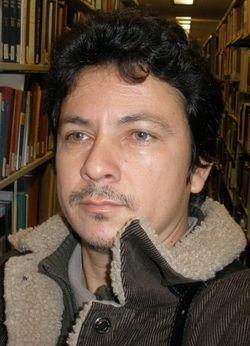
Almir Olimpio Alves, a 43-year-old man, was in Binghamton, New York, trying to make an already accomplished life feel a little more at home. A mathematics professor from Brazil and a visiting scholar connected to Binghamton University, he had come to the American Civic Association—an immigrant and refugee support center on Front Street—for something ordinary and hopeful: English instruction, the kind meant to make daily conversations easier and a new place less distant.
On the morning of April 3, 2009, that routine shattered in minutes. A gunman, later identified as Jiverly Antares Wong arrived at the building around 10:30 a.m. Investigators and later accounts described how he blocked or barricaded the rear exit with a vehicle, then entered wearing a bullet-resistant vest and carrying two handguns. Inside, near the reception area, an English as a Second Language class was underway; without warning and, according to witnesses, without shouting, the attacker opened fire into the classroom, hitting nearly everyone in the room. Alves was among those killed in that first, concentrated burst of violence.
As shots echoed through the center, panic turned into desperate stillness. Some people fled where they could; others hid in closets or made their way to a basement, staying silent while police locked down nearby streets and buildings. Officers arriving within minutes faced a situation that was still unfolding and uncertain—reports of hostages, unknown numbers of victims, and no clear indication whether the shooter was alive. A tactical team eventually entered to clear the building methodically, room by room, while survivors were evacuated in groups.
The attack ended almost as quickly as it began. Officials reported that the gunman fired roughly a hundred rounds in about three minutes, then killed himself inside the building, leaving no opportunity for an arrest at the scene and no criminal trial to follow. When responders finally reached the classroom, they found him dead alongside the victims. With the perpetrator deceased, the case centered on identifying victims, reconstructing the timeline, and confirming he acted alone.
In the days that followed, investigators and journalists pieced together fragments of the shooter’s life and mindset. Reports described an envelope mailed to a local TV station and postmarked the day of the killings, containing an apparent admission and rambling grievances, including claims of harassment and anger over work and perceived mistreatment. Authorities also addressed misinformation that surfaced almost immediately; when an overseas militant figure publicly claimed responsibility, federal officials said the claim did not fit the evidence and treated Wong as the lone attacker.
What remained after the gunfire was the unfinished arc of people who had gathered at the American Civic Association to build safer, fuller lives—students, teachers, visitors, and staff. Alves was remembered in published tributes as a popular, easygoing professor who had come to learn spoken English better, not because he lacked an education, but because he wanted to connect—to tell stories, to be understood, to live more completely in a new community. In Binghamton, later memorials continued to speak his name alongside the others lost that morning, keeping the details of the crime from turning them into a footnote.