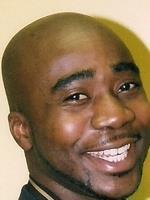
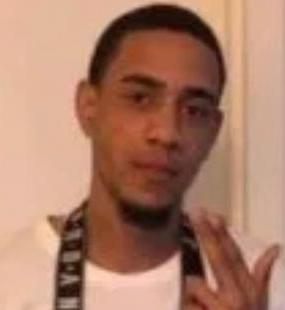
In the late hours of August 3, 2014, in Syracuse, New York, a Hispanic/Latino male named Juan G. Fuentes-Diaz, 28, was the victim of a brutal and violent attack. His assailants beat him with baseball bats before shooting him 11 times. The authorities would later describe the viciousness of the crime as one of the most brutal they had ever encountered in what became known as Syracuse's deadliest weekend of that year.
The investigation that followed the discovery of Fuentes-Diaz's body
unraveled a story of revenge. Two men, Jose Cruz-Rivera and Wigberto Osorio, were ultimately identified as the perpetrators. The motive for the murder was believed to be a retaliatory act for previous violent incidents. The case against the two men was bolstered by the testimony of another individual involved, Cesar Sanchez, who entered a guilty plea to attempted kidnapping and agreed to testify against Cruz-Rivera and Osorio.
The legal proceedings were not without their own drama. A key witness in the case admitted to having lied to the grand jury during her testimony. Despite this admission, she asserted that her account of the murder itself was truthful. The trial also faced complications from the fact that some of the suspects in the various murders that occurred that weekend were incarcerated together, creating the potential for collusion and influencing testimony. Ultimately, the testimony of Cesar Sanchez and other evidence presented by the prosecution proved to be pivotal in securing convictions. Jose Cruz-Rivera and Wigberto Osorio were found guilty of the murder of Juan G. Fuentes-Diaz, bringing a measure of resolution to a case that highlighted a weekend of extreme violence in the city of Syracuse.