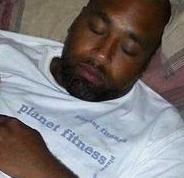
On Saturday night, September 19, 2015, Kevin Brye, a 34-year-old man, was struck down in East Harlem near the Jefferson Houses, in the area of East 115th Street and First Avenue. He was Black. Late in the evening, a call for help brought police to the corner, where he was found with a gunshot wound to the head, the kind of injury that leaves little room for second chances. The scene sat in the shadow of public housing buildings and nighttime foot traffic, a place where sound carries—sirens, shouted warnings, doors slamming shut—but the shooter was already gone.
Paramedics rushed him to Metropolitan Hospital Center, but the effort became a race against what had already been decided on the pavement. At the hospital he was pronounced dead, and word began to spread through the neighborhood in the hushed, stunned way it often does after a sudden killing: first a rumor, then a confirmation, then the heavy realization that someone’s ordinary Saturday had ended in a violent, irreversible moment.
In the days that followed, his death was folded into a wider wave of weekend bloodshed across New York City, a stretch of hours that left multiple families grieving in different boroughs. Even with the heightened attention that comes when several shootings erupt in quick succession, the details of what happened to Brye remained frustratingly spare in public accounts: a late-night shooting, a victim found near the buildings, no clear motive offered, and no immediate explanation for why he was targeted at that spot and time.
Police treated the case as a homicide investigation, working to piece together a timeline from whatever the street could provide—witness recollections, the movement of people around the housing complex, and any camera coverage that might have captured a figure running, a car pulling away, or a brief flash of the encounter before it vanished into darkness. Public reporting from the period did not identify a suspect by name, and no arrest tied to Brye’s killing was described in those accounts. As the initial shock faded into the longer grind of investigation, the absence of announced charges or a public suspect left the story suspended: a life ended with a single shot, and a city moving on while detectives continued to look for the person who fired it.