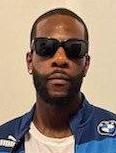
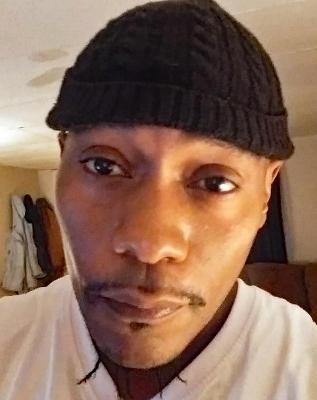
Ernesto Ayber, 29, a Black man from Rochester, New York, spent the early hours of February 7, 2016 in the glow and noise of Club Mexican Village on State Street, a place where the night routinely spilled out onto the sidewalk when last call arrived. Near closing time, a confrontation that began inside the crowded bar bled into the street, and then, in an instant, the scene turned into a storm of gunfire outside the club at 547 State Street. When the shooting stopped, Ayber lay fatally wounded outside, and the block around the bar was left scattered with shell casings, stunned witnesses, and people sprinting for cover.
Police and medics rushed into the aftermath as calls poured in around 2 a.m., finding multiple people struck by bullets and trying to track down others who fled or were carried away amid the chaos. In all, eight people were shot, with victims turning up not just at the club but at different nearby locations as the panic rippled outward; several were taken to Strong Memorial Hospital, and another was driven to Rochester General in a private vehicle. The city woke up to the fact that what had started as a fight outside a bar had become a mass shooting that left one person dead and seven more injured.
Investigators later described a barrage: more than two dozen rounds fired, from multiple handguns, into a sidewalk packed with people outside at closing. Detectives spent months piecing together what happened from interviews, physical evidence, and security-camera footage from nearby businesses, while police publicly pointed to a dispute over alleged stolen money as the spark that ignited the violence. Even with dozens of people nearby, the case moved slowly at first, the kind of investigation that grows by inches as each statement is checked against what the evidence can prove.
By early October 2016, police announced they had identified and arrested four suspects, tying the case to what they said they uncovered during separate arrests and search warrants that turned up narcotics and firearms. Authorities said Juan Luis Garcia and Josue Delgado-Rivera were accused of firing into the crowd, with Garcia alleged to have fired the fatal shot, and they alleged a second vehicle was involved, driven by Efrain Figueroa Jr., with Jaime Fontanez-Baez also accused of shooting more than once as the vehicles moved and the volleys continued. Prosecutors and police said the resulting charges ranged from second-degree murder and weapons offenses to multiple assault counts tied to the seven survivors, and they noted Figueroa was taken into custody after being found with a loaded handgun and dozens of bags of heroin.
A Monroe County grand jury later indicted the four men, and the case shifted from investigation to courtroom strategy—multiple defense attorneys, prosecutors, interpreters, and stacks of evidence that would be argued over for months. In court appearances reported that October, all four defendants entered not guilty pleas, with the murder charges centered on Garcia and Delgado-Rivera and assault charges tied to the others, as the court set the matter on a track toward trial dates the following spring. Away from the courtroom, Ayber’s family returned to the place where he died for a vigil, remembering an immigrant newly settling into life in Rochester and a future that, in their telling, had only just begun to take shape before it was cut short outside a bar at closing time.