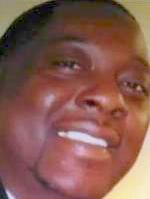
In the summer of 2016, a Father's Day gathering in Syracuse, New York, turned into a scene of chaos and violence, culminating in the death of 41-year-old Gary Porter, who was also known as Terry Maddox. On that tumultuous June 19th, as events spiraled out of control into what was described as a riot, Syracuse Police Officer Kelsey Francimone was on the scene.
It was amidst this unrest that Officer Francimone discharged her weapon, fatally wounding Porter.
Following the incident, the case was presented to a grand jury to determine if criminal charges were warranted against the officer. The grand jury ultimately decided not to indict Officer Francimone, clearing her of any criminal wrongdoing in the shooting death of Gary Porter. This decision, while closing the door on a criminal prosecution, did not end the legal battles surrounding the case. The family of Gary Porter, believing his civil rights had been violated, chose to pursue justice through the federal court system.
The family filed a civil lawsuit against Officer Kelsey Francimone, bringing the circumstances of Porter's death back into a courtroom, this time for a jury to weigh the evidence from a civil rights perspective. The trial delved into the tense and volatile moments of that Father's Day, examining the actions of both Porter and Officer Francimone. After hearing the testimony and reviewing the evidence, the federal jury reached a nuanced verdict. They found that Officer Francimone was liable for violating Gary Porter's constitutional rights by shooting him in the back. However, the jury also made a crucial finding that the officer had a reasonable belief that Porter was armed and posed a threat to her safety.
This complex verdict led to an award of $10,000 in damages to Gary Porter's family. Despite this financial award, the legal proceedings were not entirely concluded. The judge in the case retained the option to grant Officer Francimone qualified immunity, a legal doctrine that can protect government officials from liability in civil lawsuits. The possibility of qualified immunity being applied meant that, while the jury had found her liable, she might not ultimately be required to pay the awarded damages to Porter's family.