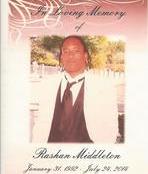
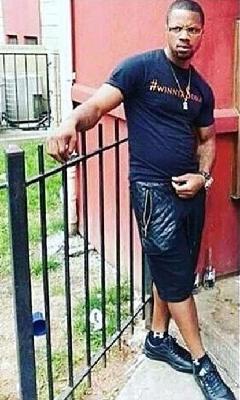
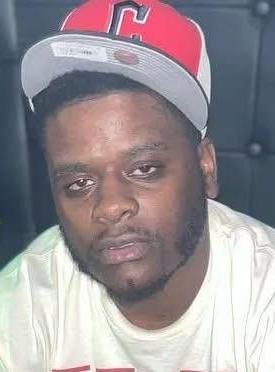
Forrest L. Featherstone, Jr., a young Black man with his future ahead of him, was just 20 years old in the autumn of 1999. His life was violently cut short in Baltimore, Maryland, leaving a void for those who knew and loved him and a case that has remained unsolved for decades.
On Friday, November 5, 1999, Forrest was fatally shot, becoming a victim during a period of intense violence that gripped the city. That year, Baltimore was staggering under one of its highest homicide rates, with the number of murders surpassing 300. The city was frequently cited as one of the most violent in America, a reality that shaped the lives of its residents and profoundly challenged its police force. The specific details of what happened to Forrest on that fatal day have been lost to the public record. The exact street where he was shot, the circumstances that led to the gunfire, and what any potential witnesses might have seen are not publicly known. The only certainty is the tragic outcome: a young life ended by a bullet.
The Baltimore Police Department’s Homicide Section was tasked with the investigation into Forrest’s murder. In 1999, detectives in the unit were confronting a relentless caseload, often facing a new homicide nearly every day. The standard procedure in such a case would have been to secure the crime scene, canvass the neighborhood for witnesses, and have crime lab technicians collect forensic evidence. Investigators would have worked to piece together the last hours of Forrest’s life, speaking with family and friends to understand his routines and relationships, searching for any clue that might point to a motive or a suspect.
However, solving murders in Baltimore at that time was fraught with difficulty. In many communities, fear and a deep-seated mistrust of law enforcement often created a "wall of silence," making it incredibly challenging for detectives to find witnesses willing to testify. Cases frequently stalled due to a lack of cooperative testimony. Without clear leads or sufficient physical evidence to bring charges, even the most dedicated investigative efforts could run cold. The sheer volume of violent crime meant that police resources were stretched thin, and older, more difficult cases often received less attention as new tragedies demanded immediate action. Though police may have pursued leads or identified persons of interest, no one was ever successfully prosecuted for Forrest's death.
Decades have passed since Forrest Featherstone was killed, and his case has joined the thousands of other unsolved homicides in Baltimore. For his family, the passage of time has not healed the wound of their loss, and their grief is compounded by the lack of answers and the absence of justice. The loss of a young person is a tragedy that echoes through a family and a community for generations, a painful and permanent reminder of the lasting impact of gun violence.
The investigation into the murder of Forrest L. Featherstone, Jr. remains officially open but is considered a cold case. The Baltimore Police Department and other law enforcement agencies periodically review unsolved cases, hoping that new technology, a fresh look at the evidence, or a long-overdue tip might finally provide a breakthrough. As of late 2026, the person or people responsible for Forrest's death have never been held accountable. Authorities typically urge anyone with information, no matter how insignificant it may seem, to come forward.