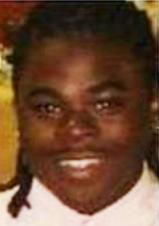
Andre Damon Williams, a 28-year-old man, was Black. In the earliest hours of January 29, 2006, gunfire shattered the quiet along the 3100 block of Good Hope Avenue, just inside Prince George's County near the District line. Police were dispatched around 2:15 a.m. to investigate reports of shots, and in a nearby parking lot they found Williams badly wounded, hit multiple times.
He died there at the scene before help could turn the night around, his life ending on cold pavement under flashing lights.
In the immediate aftermath, investigators had little to hold onto. Williams was identified as a District resident, and early public reporting described no arrests and no named suspects as detectives began piecing together what had happened in those few violent moments—who was nearby, what led up to the shots, and which small details might matter later when memories cooled and the street went silent again.
Then, the case began to take shape. According to a later case summary compiling contemporaneous police and media references, investigators identified Lamont Michael Brown of Washington, D.C., as a suspect, and a warrant was issued the next day, January 30, 2006. Brown was sought on a first-degree murder charge, a pivot point that suggested detectives believed they could name the person responsible even if the public still didn't know the story behind the shooting.
A year later, that story surfaced in harsher terms. The same case summary reports that a Prince George's County jury found Brown guilty of first-degree murder and of using a handgun in the commission of a felony, framing Williams as a “rival” killed over drug territory. The description of the outcome notes Brown faced life in prison without parole, marking the case's trajectory from an overnight killing with no announced suspects to a conviction built on whatever witnesses, evidence, and courtroom testimony ultimately convinced jurors beyond a reasonable doubt.