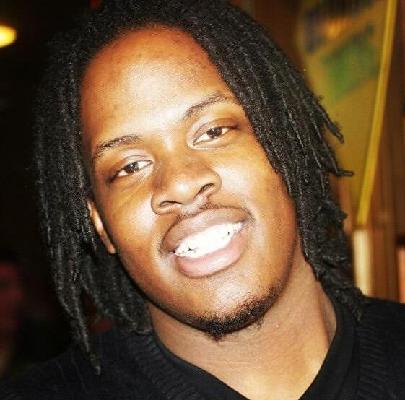
On the evening of October 24, 2007, the life of 37-year-old Julius Charles Whaley came to a tragic end in his Greenbelt, Maryland, apartment. Responding to a 911 call, police and paramedics discovered Mr. Whaley's body on his bedroom floor, the victim of a single gunshot wound to the chest. The person who made that call was his girlfriend, Tania Wallace-Bey, who initially claimed that she had shot him in self-defense after he had allegedly assaulted her.
The investigation that followed
painted a different picture for prosecutors. Wallace-Bey, then 43 and from Philadelphia, had traveled to Maryland to stay with Whaley for several days. Evidence presented by the prosecution suggested a premeditated act. Before her trip, she had left an envelope titled “last will and testament” with her mother and had given away personal possessions in gift bags to family and friends. On the night of October 23, 2007, she shot Whaley at point-blank range. In the hours that followed, she went to a store, purchased sleeping pills, and consumed them with grain alcohol before lying down next to his body. When she awoke, she penned an apology letter to their families before contacting the police with her self-defense claim.
In 2009, a jury convicted Tania Wallace-Bey of first-degree murder and the use of a handgun in the commission of a crime of violence. She was sentenced to life in prison plus 20 years. However, the legal battle did not end there. Years later, Wallace-Bey filed for post-conviction relief. Her new legal team argued that her trial counsel had been ineffective by failing to investigate the possibility that she was a victim of battered spouse syndrome. An expert forensic psychologist opined that Wallace-Bey was suffering from this condition at the time of the shooting, testifying to a history of abuse by Whaley that began shortly after they moved in together in 2006.
This new evidence led a post-conviction court to grant her a new trial in 2014. The retrial took place in March 2016, where the defense presented the argument that years of physical and psychological abuse culminated in the fatal shooting. This complex and harrowing story, which began with a 911 call on an autumn evening, continued to unfold in the Maryland court system for nearly a decade, revealing a troubled and ultimately violent relationship.