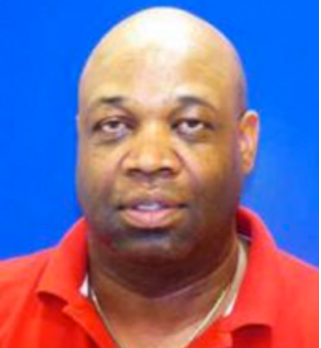
Robert L. Anderson Jr., known to loved ones as “Whoodie,” was a 20-year-old male from Landover, Maryland, who died on April 10, 2010. In the days that followed, his family prepared to gather around faith and community—his obituary listed a visitation and service at Gethsemane Baptist Church in Bowie, with arrangements handled by J.B. Jenkins—details that read like a final attempt to bring order to a loss that arrived suddenly and violently.
That April day unfolded on East Marshall Place, where a neighborhood dispute spiraled into a shooting. Court records describe Jeremiah Antoine Sweeney clashing with a neighbor, Eric McDonald, over marijuana Sweeney believed had been stolen. The argument flared with profanity and threats, and then Sweeney walked away—only to return carrying a gun magazine and announcing he had his “piece.” For roughly half an hour, the shouting simmered in the open air near the house where another resident, David Walls, lived. Walls told Sweeney to leave when he saw the handgun, but the confrontation continued as Sweeney moved up the street, slotting the magazine into the gun. When the group—including Anderson—hesitated outside, Sweeney fired once into the air and then unleashed several more shots toward McDonald and the others. Anderson was struck in the back of the head and collapsed, neighbors rushing in to help as chaos overtook the block.
At trial, the killing was framed as a bystander’s death amid gunfire meant for others, with prosecutors relying on eyewitness testimony portraying Sweeney as the shooter. The case also turned on geometry and distance—whether Sweeney’s position and the angle of the wound fit the State’s theory—an issue later summarized as the question of whether he could have fired the shot that killed a bystander roughly 75 yards away. After the shots, Sweeney was described as pacing near his home before getting into a red Cadillac and driving away. He was ultimately arrested and prosecuted, and a Maryland jury found him guilty of second-degree murder along with other offenses tied to the gunfire, including handgun and attempted-murder charges; he received two consecutive life sentences plus an additional term of years.
Years later, the legal fight shifted from the street corner to the jury room. During deliberations, a juror reported that he had gone to the crime scene on his own to get a “visual,” then talked about the visit with other jurors before the court was notified. The trial judge dismissed that juror and, with the parties’ agreement, allowed deliberations to continue with eleven jurors, leading to Sweeney’s conviction being upheld on direct appeal and surviving state postconviction proceedings. In federal court, a Fourth Circuit panel later ordered a new trial—citing a cascade of failures in how the juror misconduct was handled—but the U.S. Supreme Court reversed on November 24, 2025, ruling that the Fourth Circuit had granted relief based on a claim Sweeney himself had not raised, and sent the case back for further proceedings focused on the ineffective-assistance argument he actually presented.