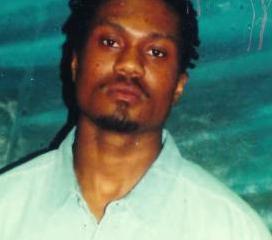
Bryant Antonio West died on July 31, 2010, in Capitol Heights, Maryland. He was a 30-year-old Black man. In the small trail of public mentions that still remains online, his death is repeatedly anchored to that date and place, with one memorial record explicitly framing the loss as gun violence.
What happened in the moments that took him from his family isn’t laid out in the open, in the way some homicides are—no detailed public-facing police narrative, no widely syndicated
first-day crime brief, no later headline announcing a break in the case surfaced alongside his name and that date. Instead, the online record reads like an absence shaped into a few hard facts: the day he died, the community that was left reeling, and the quiet insistence—on that gun-violence listing—that his death belonged to a larger pattern of lives ended by bullets.
In the days that followed, the public story shifted from whatever happened on the street to the rituals of grief. An obituary notice published in the Washington, D.C., area memorialized him and named the people who would carry the weight forward: his children, his parents, siblings, and his girlfriend. It also announced arrangements for a visitation and service in early August, turning the calendar into something the living could hold onto—an appointed morning to gather, to look at one another, and to say out loud that he mattered.
As for accountability—arrests, identified suspects, charges, trials, convictions—the sources that explicitly match his full name to the July 31, 2010 death in Capitol Heights do not describe any. In those available public references, there is no suspect profile, no court outcome, and no announcement of an arrest connected to his killing; the case details that would answer those questions simply aren’t present in the online material tied directly to him.