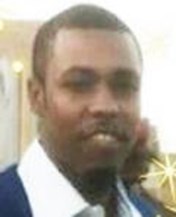
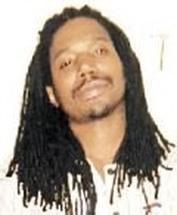
Keanon Wills, a 24-year-old Black man from New Orleans, was killed by gunfire on November 10, 2017, and the news landed like a sudden silence over everything his family thought the day would be. In the hours after the shooting, grief and confusion hardened into the same question that echoes through so many violent deaths: who did this, and why was he left bleeding in a neighborhood that was just supposed to be another stop on an ordinary night?
Reports tied the killing to New Orleans East, in the Little Woods area, where police were called to a shooting in the early morning. Investigators treated the scene as a homicide, working the case the way they always do at the start—locking down what they could, looking for witnesses who might have heard the shots or seen a car pull off too fast, and trying to stitch together a timeline from the fragments people remember when fear is still fresh. In a city where gunfire can vanish into the dark as quickly as it arrives, the first hours are everything, and even then the answers can feel just out of reach.
In the days that followed, his name moved from a private loss to a public one—shared in mourning posts and calls for justice, the kind that insist a young life should not be reduced to a single violent moment. Loved ones organized around the need to keep him from becoming just another case number, pushing his story into the light and pleading for someone—anyone—with knowledge of what happened to come forward.
As for accountability, publicly available information about the case does not clearly identify a suspect or describe an arrest connected to his killing. The trail that typically follows a resolved homicide—named defendants, formal charges, court dates, plea deals, or convictions—doesn’t appear in readily accessible reporting tied directly to his death, leaving the outcome uncertain to anyone looking in from the outside.