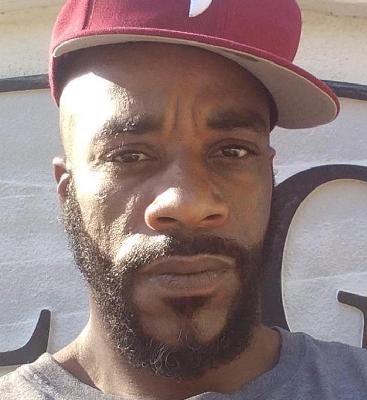
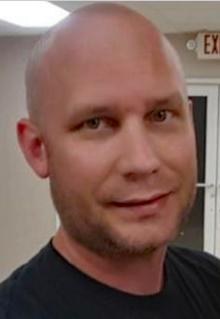
In the late summer of 1997, the life of 31-year-old Ernest Leonard Filyaw, a White/Caucasian male, was tragically cut short in a place he likely considered a second home. On September 15th, Filyaw was at his job as a tool and die machinist at the R.E. Phelon Company in Aiken, South Carolina, a factory that manufactured lawn mower parts. A former employee, Hastings Arthur Wise, arrived at the facility with a semi-automatic pistol and a heart full of vengeance.
Wise, who had been terminated from his position in July of that year, was about to unleash a wave of violence that would leave an indelible scar on the community.
The rampage began when Wise shot a security guard at the entrance before moving methodically through the plant. His first fatal target was Charles Griffeth, the personnel manager who had made the decision to fire him. From there, Wise proceeded to the tool and die area, a section of the factory where he had once aspired to work. It was here that he encountered Ernest Filyaw and another co-worker, David Wayne Moore. Both men were shot and killed. Before his deadly spree was over, Wise would claim the life of a fourth victim, Esther Sheryl Wood, and injure several others.
Following the shooting, Wise attempted to take his own life by ingesting insecticide but survived and was promptly arrested. The motive for his horrific actions appeared to stem from a deep-seated anger over his dismissal, which he believed to be racially motivated. He felt he had been unfairly passed over for promotions that were given to white employees. During his trial, Wise did not contest his guilt and, in a surprising move, refused to allow his own legal team to present any witnesses on his behalf. He was convicted on multiple counts of murder and assault and subsequently sentenced to death. On November 4, 2005, Hastings Arthur Wise was executed by lethal injection, bringing a close to a painful chapter for the families of his victims and the community of Aiken.