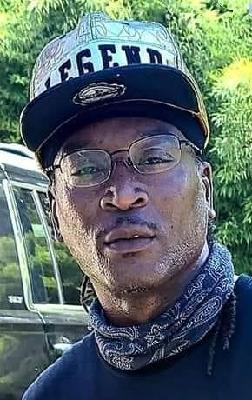
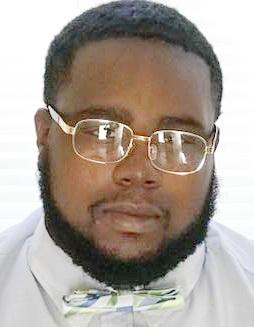
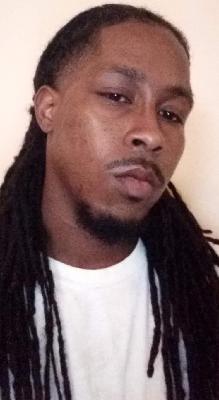
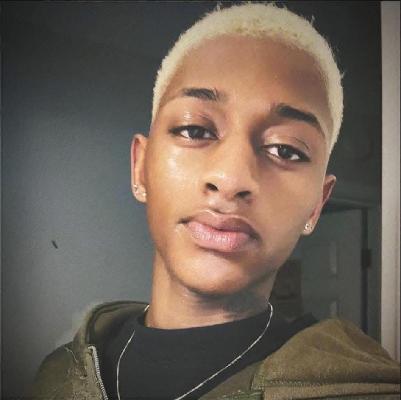
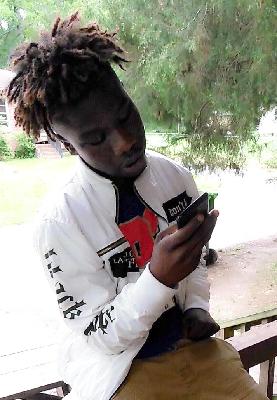
Jamaal Antron Aiken, a 31-year-old Black man from Greenwood, South Carolina, spent his final evening at a small, privately owned nightclub off Seaboard Avenue, a place locals knew even though it had no official name or sign out front. Late on Thursday, November 14, 2013, a dispute that began in the club’s parking lot spilled into violence. Shortly after 10:30 p.m., shots were fired in the cool darkness of the lot, and when Greenwood police arrived in response to the emergency calls, they
found Aiken lying wounded on the pavement with a gunshot wound. He was rushed to Self Regional Healthcare, where he was pronounced dead just before 12:30 a.m. on Friday, November 15.
Officers and detectives worked quickly in the immediate aftermath. The club’s parking lot was cordoned off under bright emergency lights as investigators tried to piece together what had happened in the midst of the earlier fight, interviewing witnesses who had scattered when the gunfire broke out. Police knew that at least one argument in the lot had preceded the shooting, but in the first hours after Aiken’s death they could not yet say what started it or why it escalated so quickly. The privately run club, described by police as having no official name, sat on an otherwise quiet stretch of Seaboard Avenue, and the sudden eruption of violence there left the neighborhood shaken.
As patrol units searched the surrounding streets for a suspect, officers stopped a vehicle on Reynolds Avenue, roughly half a mile from the crime scene. During that stop, they encountered Alphonso Morgan Jr. and took him into custody. Before the night was over, Greenwood police had identified him publicly as their suspect. Morgan was arrested and charged with murder and with possession of a firearm during the commission of a violent crime, then booked into the Greenwood Detention Center to await arraignment. Investigators scheduled an autopsy for Aiken and, even as they announced the arrest, acknowledged they still did not know the motive for the shooting that had turned a parking-lot dispute into a homicide.
In the years that followed, the criminal case against Morgan wound its way through South Carolina’s courts. At one point he sought immunity from prosecution under the state’s Protection of Persons and Property Act, the statute often referred to as its stand-your-ground law. A Greenwood County judge denied that request for immunity, and Morgan appealed. In 2018, in an unpublished opinion styled The State v. Alphonso Morgan Jr., the South Carolina Court of Appeals affirmed the trial court’s ruling. The appellate judges did not revisit the shooting itself; instead, they held that Morgan’s subsequent guilty plea in the case had waived his ability to rely on non-jurisdictional defenses, including his statutory stand-your-ground immunity claim, and that the viability of that claim ended with his plea.
Court records show that Morgan continued to litigate after that defeat. A 2020 docket entry for “Alphonso Morgan, Petitioner, v. State of South Carolina” in the state appellate system reflects a further challenge to his conviction. Separate public inmate-locator records list an individual named Alphonso Morgan Jr., identified with South Carolina Department of Corrections inmate number 257372, as incarcerated in the state prison system in Columbia as of 2025, indicating that he has served his sentence in state custody rather than returning immediately to life in Greenwood.
While the legal proceedings focused on motions, statutes, and appellate rules, the loss behind the case remained personal and intimate. An online obituary and grave listing describe Jamaal Aiken as a Greenwood native, the son of Gregory Aiken and Tracy McGrier Aiken, placing his death not just in a case caption but in the middle of a family that had raised him there. On a separate national gun-violence memorial site, his photograph appears beside his name and the date and place of his death, with candles lit in his memory and space for friends and relatives to leave remembrances—small signs that, years after the shooting, he is still remembered as a person, not only as the victim at the center of a parking-lot homicide and a contested stand-your-ground appeal.