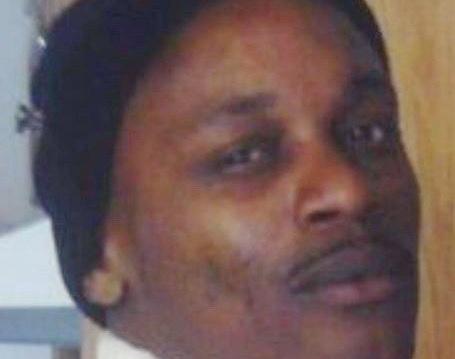
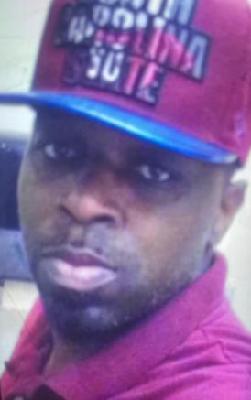
Michael Scott was a 44-year-old man living in the Olympia community of Richland County, South Carolina, when he died on September 13, 2014. Olympia, a close-knit former mill village just outside downtown Columbia, is the kind of place where narrow streets, small houses, and long-standing ties between neighbors make most lives locally visible, yet his death has left remarkably little trace in the public record.
Online sources that describe the neighborhood paint a picture of an older working-class area, near the University of South Carolina and Williams-Brice Stadium, where everyday life is shaped by student traffic, game days, and the rhythms of a small community pressed up against the city.
From what can be pieced together through accessible online information, Scott’s death unfolded against the backdrop of a community that had long been wrestling with periodic spikes in crime and disorder. Years before and after 2014, neighborhood association meetings and local coverage describe Olympia residents listening to deputies discuss assaults, alcohol-fueled fights, and concerns about safety in and around the narrow grid of streets that make up the area. The sense is of a place that is neither an urban war zone nor entirely quiet, but a neighborhood where small houses sit close together and residents keep an uneasy eye on changes around them. It is into this environment that Scott’s death is quietly recorded: a date, a place, and a name, without the narrative detail that usually accompanies a suspicious or violent death.
Local news archives from the mid-2010s show that Richland County deputies opened at least one investigation into a suspicious death on Olympia Avenue itself, describing only that an adult had been found dead on the 1100 block and that investigators and the county coroner were treating the situation cautiously while determining what had happened. The brief item does not identify the person who died, does not specify whether the death was ultimately ruled a homicide, accident, or something else, and offers no follow-up for the public. Nothing in those short lines definitively connects that particular investigation to Michael Scott or clarifies whether it was his case or a different tragedy in the same small neighborhood.
Beyond that thin mention, the online trail almost immediately goes cold. Obituary databases list many men named Michael Scott in other cities and years, but none that clearly match a 44-year-old man in Olympia in 2014, and there are no detailed news stories tying his name to a homicide investigation, a coroner’s inquest, or a public safety bulletin in Richland County. Searches of open news archives, cold-case registries, and public legal summaries do not reveal any announcement of an arrest, any named suspect, or any record of charges, trial, or conviction linked to his death. If law enforcement ever developed leads, pursued a person of interest, or reached a firm conclusion about how and why he died, those decisions have not been preserved in the easily accessible online record.
As a result, Michael Scott’s death, though it happened in a densely settled neighborhood in the capital region of South Carolina, exists online as a bare fact rather than a fully told story: a man in his mid-forties, a date in early autumn, a community with a documented history of worrying about crime, and a conspicuous absence of public explanation. The lack of reported suspects or arrests, and the silence of court records and follow-up coverage, suggests either that no one was ever publicly held responsible or that any resolution unfolded quietly, off the digital stage, leaving his case—at least in the view of the wider world—unresolved and largely unexplained.